Aster dumosus 'Sapphire'
Michaelmas Daisy
Photo of Aster dumosus 'Sapphire' - Michaelmas Daisy
No photo for the moment for Aster dumosus 'Sapphire' - Michaelmas Daisy

Please note: You must be the owner of the posted photo and it must not be copyrighted.
Things You Must Knows cannot be held responsible for photos posted in violation of this rule
Common Name:
Foliage color:
GreenSun (From 0 to 5):
Water (From 0 to 5):
Maximum temperature:
Minimum temperature:
Maximum height:
Maximum width:
Michaelmas Daisy (Aster dumosus 'Sapphire') - Description
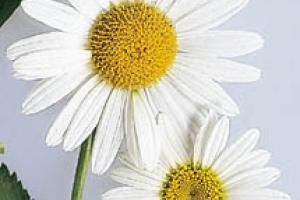
Blue and yellow daisy flowers cover the foliage from August to October, making a cushion of color
Michaelmas Daisy (Aster dumosus 'Sapphire') - Blooming
Blooms can be white, blue, red, pink, lavender. Most flowers will have yellow centers and resemble a typical Daisy.
Michaelmas Daisy (Aster dumosus 'Sapphire') - Growth
There are about 250 species of Asters, but generally they need full sun, or partial shade. Plants range in size from 6 inches to 6 ft. in height.
Michaelmas Daisy (Aster dumosus 'Sapphire') - Planting
Dig a hole twice as large as the plant you are using. Squeeze the container to loosen the roots, remove it from the pot by turning the pot upside down and gently pulling on the plant. Be sure the grasp the plant at the base near the soil line before pulling. Add a little time release plant food into your hole and mix it lightly into the soil. Place the root ball into your hole. The top of the soil in the pot should be even with the soil in your garden bed. Press the soil gently around the plant, do not pack the soil tightly the roots will grow better if the soil isn't compacted. Water the plant in using a watering can or other gentle flow of water. This will settle the soil around the plant. To conserve water and discourage weeds a layer of mulch can be added to the top of the soil around the plant, this mulch should come close to the plant but not touch the stem.
Michaelmas Daisy (Aster dumosus 'Sapphire') - Pest
Susceptible to wilt, gray mold, rusts, powdery mildew, white smut, rosy blister gall, and aster yellows. Fungal leaf spots and stem cankers are common. Aphids, tarsonemid mites, slugs, snails, and nematodes can cause problems.
Michaelmas Daisy (Aster dumosus 'Sapphire') - Soil and irrigation
Needs regular water. Soil fertility depends upon species.