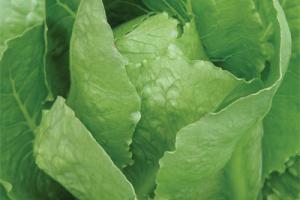
Brassica oleracea 'Georgia'
Collard Greens
Photo of Brassica oleracea 'Georgia' - Collard Greens
No photo for the moment for Brassica oleracea 'Georgia' - Collard Greens

Please note: You must be the owner of the posted photo and it must not be copyrighted.
Things You Must Knows cannot be held responsible for photos posted in violation of this rule
Common Name:
Flower color:
Foliage color:
Variegated GreenSun (From 0 to 5):
Water (From 0 to 5):
Maximum temperature:
Minimum temperature:
Maximum height:
Maximum width:
Collard Greens (Brassica oleracea 'Georgia') - Description
Tender, blue-green leaves that will withstand light frost. The mild cabbage-like flavor actually improves with a light frost. Plant in spring and again in late summer for a fall to winter harvest. Avoid areas where any of the cabbage family members were grown the previous year.
Collard Greens (Brassica oleracea 'Georgia') - Growth
Collards are cool-season biennials grown as annuals. Needs cool weather to mature.
Collard Greens (Brassica oleracea 'Georgia') - Planting
For summer harvest, sow seeds 4 weeks before the last frost. For fall crop, sow seeds 3 months before the first frost date in your area.Before planting, work in a 1-2" layer of compost into the soil. Sow seeds 1/2" deep and 1" apart, in rows 2-3 feet apart.
Collard Greens (Brassica oleracea 'Georgia') - Pest
Aphids, cabbageworm, and cabbage looper are known to cause problems.
Collard Greens (Brassica oleracea 'Georgia') - Interesting facts
The leaves are rich in vitamins A and C as well as potassium, calcium, and iron.
Collard Greens (Brassica oleracea 'Georgia') - Soil and irrigation
Collards are drought tolerant, but thrive in soil that is moist. Provide alteast 1" of water per week or more if needed. Mulching with straw or grass clippings will help to enhance water retention of the soil and keep the soil cool.