Campanula ramosissima 'Meteora'
Campanula
Photo of Campanula ramosissima 'Meteora' - Campanula
No photo for the moment for Campanula ramosissima 'Meteora' - Campanula

Please note: You must be the owner of the posted photo and it must not be copyrighted.
Things You Must Knows cannot be held responsible for photos posted in violation of this rule
Common Name:
Foliage color:
GreenSun (From 0 to 5):
Water (From 0 to 5):
Maximum temperature:
Minimum temperature:
Maximum height:
Maximum width:
Campanula (Campanula ramosissima 'Meteora') - Description
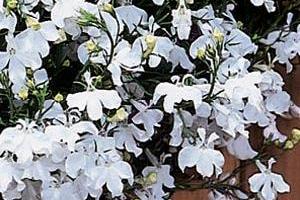
This petite beauty rewards you instantly with loads of perfect stars in cooling lavender blue. Thrives in the garden bed or as a tidy pot plant.
Campanula (Campanula ramosissima 'Meteora') - Blooming
Although this plant can survive full sun, the delicate floral colors are better preserved when Bellflowers are grown in shadier spots.
Campanula (Campanula ramosissima 'Meteora') - Growth
Annuals, biennials, and perennials. Takes full sun exposure in cooler climates well. In warmer climates, they need partial shade. Since there are many members in this genus there are several growth needs.
Campanula (Campanula ramosissima 'Meteora') - Planting
Sow Bellflower seeds in spring or early summer. The plants can also be divided during the spring or autumn. Division entails propagating a plant by splitting it into 2 or more parts. Each part has its own root system and more than one shoot or dormant bud.
Campanula (Campanula ramosissima 'Meteora') - Pest
Snails and slugs have an affinity to Bellflowers. In hot, dry weather spider mites can be a problem. Come autumn, rust may be a problem.
Campanula (Campanula ramosissima 'Meteora') - Interesting facts
In Latin, Campanula translates to "little bell", which is so named because of the shapes of the flowers. This is also the reason why the common name for the genus is Bellflower. Flowers are most often bell-shaped, but there are species that have flowers shaped like stars. Many species in the genus Campanula have a white latex in their leaves and stems, which is generally thought to be used as protection from herbivores.
Campanula (Campanula ramosissima 'Meteora') - Soil and irrigation
Needs well-drained soil and moderate to regular water.