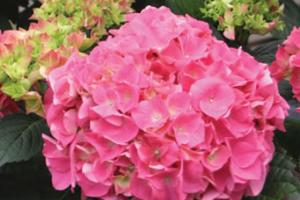
Dianthus chinensis 'Valentine'
Carnation
Photo of Dianthus chinensis 'Valentine' - Carnation
No photo for the moment for Dianthus chinensis 'Valentine' - Carnation

Please note: You must be the owner of the posted photo and it must not be copyrighted.
Things You Must Knows cannot be held responsible for photos posted in violation of this rule
Common Name:
Foliage color:
GreenSun (From 0 to 5):
Water (From 0 to 5):
Maximum temperature:
Minimum temperature:
Maximum height:
Maximum width:
Carnation (Dianthus chinensis 'Valentine') - Description
Unique red flower with picotee white border is a great idea for your landscape and for a Valentine's Days gift! Expect a fantastic bloom that lasts all spring long and picks it back up again in the fall season. Plant en masse for dramatic effect!
Carnation (Dianthus chinensis 'Valentine') - Blooming
Most Pinks bloom in spring and early summer. Blooms are 1" to 2" in diameter. Removal of the spent flowers will promote new floral blooms.
Carnation (Dianthus chinensis 'Valentine') - Growth
Pinks are easy to grow. They prefer full sun in a cool climate. Most varieties will grow 18" to 24", and if started early will bloom in the first year.
Carnation (Dianthus chinensis 'Valentine') - Planting
Annual Pinks can be sown in flats or directly into the garden via seed. Perennial Pinks can be propagated by making cuttings from the tips of growing shoots and by dividing. Space 10 to 12" apart.
Carnation (Dianthus chinensis 'Valentine') - Pest
Insects and disease are seldom a problem, though some species in this genus are susceptible to rust and Fusarium wilt. Mildew can occur in warm, humid climates.
Carnation (Dianthus chinensis 'Valentine') - Interesting facts
Native mainly to Europe and Asia. The common name Pink likely derives from the color of the bloom. However, there are those that believe that it comes from the earlier use of the word which was to cut in a ruffled pattern with pinking shears as the edges of Pinks are in a zigzag pattern.
Carnation (Dianthus chinensis 'Valentine') - Soil and irrigation
Dianthus requires light and fast draining soils. The addition of lime can remedy overly acidic soils. Pinks are sensitive to over watering. In dry periods water once or twice a week.