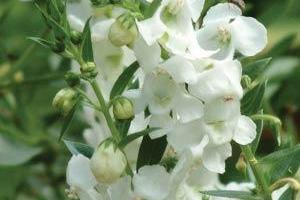
Dimorphotheca sinuata
African Daisy
Photo of Dimorphotheca sinuata - African Daisy
No photo for the moment for Dimorphotheca sinuata - African Daisy

Please note: You must be the owner of the posted photo and it must not be copyrighted.
Things You Must Knows cannot be held responsible for photos posted in violation of this rule
Common Name:
Plant Type:
Foliage color:
GreenSun (From 0 to 5):
Water (From 0 to 5):
Maximum temperature:
Minimum temperature:
Maximum height:
Maximum width:
African Daisy (Dimorphotheca sinuata) - Description
D. sinuata is the best known of annual African daisies. It bears flowers with yellow centers or dark centers with flecks of yellow, and orange-yellow rays, which are deep violet at base.
African Daisy (Dimorphotheca sinuata) - Blooming
Daisy flowers, come in a variety of colors such as white, yellow, pink, and orange, with violet-brown or violet-blue central disks. Flowers will close when shaded, at night, or when an overcast is present. Flower heads 1.5 inches across. Blooms from summer to first frost. Deadhead on a regular basis in order to lengthen the flowering period.
African Daisy (Dimorphotheca sinuata) - Growth
Use in broad masses as ground cover, in borders and parking strips. 4-12 inches tall. Dimorphotheca does best in full sun. Grow in a sheltered site. Good container plants. They also work well in a border or bedding. Perennials are often grown as annuals.
African Daisy (Dimorphotheca sinuata) - Planting
Propagate from the seed in early spring in containers (late fall or early winter in mildest climates). Plant out when the threat of frost has passed. Another option is to sow seeds directly into the ground in midspring when the climate has warmed up.
African Daisy (Dimorphotheca sinuata) - Pest
Problems include wilt, rust, and gray mold.
African Daisy (Dimorphotheca sinuata) - Interesting facts
Dimorphotheca is native to the tropical regions of Africa and South Africa. Species include annuals, or evergreen perennials that are found mainly in sandy, mildy arid habitats.Plants in the genus Dimorphotheca are called African Daisies, but so are the plants in the genus Osteospermum. Both groups of plants are very closely related.
African Daisy (Dimorphotheca sinuata) - Soil and irrigation
Light soil with moderate watering. Soil must be well-draining.