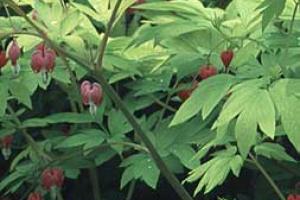
Disanthus cercidifolius
Disanthus
Photo of Disanthus cercidifolius - Disanthus
No photo for the moment for Disanthus cercidifolius - Disanthus

Please note: You must be the owner of the posted photo and it must not be copyrighted.
Things You Must Knows cannot be held responsible for photos posted in violation of this rule
Common Name:
Sun (From 0 to 5):
Water (From 0 to 5):
Maximum temperature:
Minimum temperature:
Maximum height:
Maximum width:
Disanthus (Disanthus cercidifolius) - Description
D. cercidifolius is native to Japan. It is a round tree shrub with leaves which turn bluish green to shades of deep red with orange tints. It also bears tiny, purplish mildly scented fall flowers.
Disanthus (Disanthus cercidifolius) - Blooming
Small blooms almost unnoticeable until the leaves, which turn color, fall.
Disanthus (Disanthus cercidifolius) - Growth
Deciduous shrub. The Disanthus will grow to about 10-12 ft. tall and spreads almost as wide with age. Prefers partial shade and protection from the wind. Grow D. cercidifolius in a shrub border. Also makes a nice specimen plant for a woodland garden.
Disanthus (Disanthus cercidifolius) - Planting
Can be grown from seeds. Sow in sandy soil. Conduct layering in spring. Layering is a propagation method where a stem is pegged to the soil while still attached to the parent plant. This process induces rooting.
Disanthus (Disanthus cercidifolius) - Pest
Not insect or disease prone.
Disanthus (Disanthus cercidifolius) - Interesting facts
Native to China and Japan. During certain times of the year, it can be mistaken for Cercis, hence the "cercidifolius" in the name, which means ldquo;leaves are of Cercisrdquo;. At the peak of color you notice the difference in the multi-colored Disanthus. There is only one known species of Disanthus.
Disanthus (Disanthus cercidifolius) - Soil and irrigation
Plant requires rich, acidic soil and regular water. Does not tolerate drought or alkalinity.