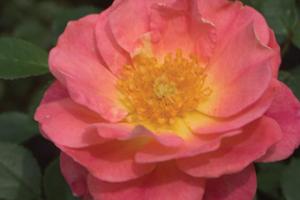
Epilobium angustifolium
Fireweed
Photo of Epilobium angustifolium - Fireweed
No photo for the moment for Epilobium angustifolium - Fireweed

Please note: You must be the owner of the posted photo and it must not be copyrighted.
Things You Must Knows cannot be held responsible for photos posted in violation of this rule
Common Name:
Plant Type:
Foliage color:
GreenSun (From 0 to 5):
Water (From 0 to 5):
Maximum temperature:
Minimum temperature:
Maximum height:
Maximum width:
Fireweed (Epilobium angustifolium) - Description
Popular wildflower that readily colonized freshly burned or disturbed ground. It self-sows and spreads via underground stems that are hard to get rid of. Can be invasive but is beautiful when in bloom in large drifts of pink flowers that can appear in mid summer. Works well in a rock garden or border. Fireweed is native to most countries in the Northern Hemisphere.
Fireweed (Epilobium angustifolium) - Blooming
Deadhead to encourage continued blooming. Flowers are 4-petaled, pink or white, borne from spring to fall.
Fireweed (Epilobium angustifolium) - Growth
Annuals, biennials, perennials (herbaceous and semi-evergreen), and semi-evergreen subshrubs, that are commonly found on distrubed sites in temperate regions. Epilobium does best in full sun or partial shade. Alpine species may require some shade during the middle part of the day. Because of their spreading nature, they do best in wild gardens. Otherwise they can end up being weedy. Some garden species work well in rock gardens and borders. E. glabellum makes a suitable groundcover.
Fireweed (Epilobium angustifolium) - Planting
Propagate with seeds; sow when ripe, or in spring in containers in a cold frame. Can also broadcast by division in fall or spring, or with softwood cuttings, taken from sideshoots in spring. Since fireweed spreads so well, plant sparsely, 3-6' apart. Division entails propagating a plant by splitting it into 2 or more parts. Each part has its own root system and more than one shoot or dormant bud.
Fireweed (Epilobium angustifolium) - Pest
Snails and slugs. Other problems include rust, fungal spots, powdery mildew, and downy mildew, all of which are quite common.
Fireweed (Epilobium angustifolium) - Interesting facts
Because Epilobium angustifoium has a habit of colonizing burned ground, it spread quite widely throughout bombing sights in post World War II London.
Fireweed (Epilobium angustifolium) - Soil and irrigation
Fireweeds are not fussy about soil but do require moderate water until established. Does best in well-draining soil that is humus-rich.