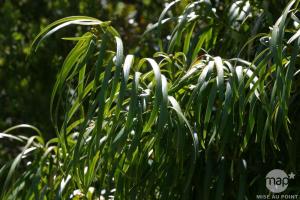
Ficus aurea
Florida Strangler Fig
Photo of Ficus aurea - Florida Strangler Fig
No photo for the moment for Ficus aurea - Florida Strangler Fig

Please note: You must be the owner of the posted photo and it must not be copyrighted.
Things You Must Knows cannot be held responsible for photos posted in violation of this rule
Common Name:
Flower color:
Foliage color:
GreenSun (From 0 to 5):
Water (From 0 to 5):
Maximum temperature:
Minimum temperature:
Maximum height:
Maximum width:
Florida Strangler Fig (Ficus aurea) - Description
Not typically used in landscaping or horticulture but is a wonderful tree none the less. It thrives in tropical and sub tropical environments. It is a epiphyte in its earliest stages, meaning it germinates in the canopy of a host tree and feeds off the trees bark where there is trapped nutrients in pockets of decayed leaves and rainwater as well, Eventually the roots reach the ground and then this tree really takes off. It will basically enshrouds the host tree, effectively snuffing it out (strangling it!) , until it becomes a freestanding tree on its own. A valuable source of food for many creatures in the jungle environments. The strangler fig is dependent upon a single species of wasp for pollination and vise versa for the wasp (creating a symbiotic relationship), as it can only reproduce in the fig's flower.
Florida Strangler Fig (Ficus aurea) - Growth
Most species are shrubs to large trees. F. pumila (creeping fig) is a garden plant which has a climbing habit and small evergreen leaves. Some species are stranglers or grow curtains of aerial roots.
Florida Strangler Fig (Ficus aurea) - Planting
Sow seeds in spring and be sure to keep the temperature between 60 and 70°F (21°C). The seeds can be sown indoors in pots to be transplanted later. Make rooted cuttings in spring or summer. Provide bottom heat to promote root development.
Florida Strangler Fig (Ficus aurea) - Interesting facts
There are a couple of members of the Ficus genus called banyan trees. These plants grow as epiphytes (a plant that grows on top of another). The seeds are usually deposited by birds and will settle in the cracks and crevices of the host tree, where they will germinate. As the banyan tree begins to grow, it sends a complex web of roots down the trunk of the host tree. These roots will eventually envelope the entire trunk and choke out the host tree, which results in the host tree's death. This is of course unless the host tree is a palm tree. A palm tree has a different anatomy as compared with a tree like an oak tree. The host palm tree may not die as a result, but it will be competing with the epiphytic Ficus.
Florida Strangler Fig (Ficus aurea) - Soil and irrigation
Most members of the Ficus genus perform best in moist, yet well-drained loamy soil. Feel the soil one inch deep to determine if it is time to water, yellow leaf color is misleading in this regard.