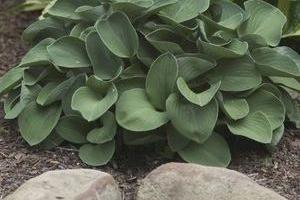
Hedera canariensis
Canary Island Ivy
Photo of Hedera canariensis - Canary Island Ivy
No photo for the moment for Hedera canariensis - Canary Island Ivy

Please note: You must be the owner of the posted photo and it must not be copyrighted.
Things You Must Knows cannot be held responsible for photos posted in violation of this rule
Common Name:
Plant Type:
Sun (From 0 to 5):
Water (From 0 to 5):
Maximum temperature:
Minimum temperature:
Maximum height:
Canary Island Ivy (Hedera canariensis) - Description
H. canariensis is native to the Canary Islands and Mediterranean coast of North Africa. It bears shiny, rich green leaves 5 to 8 inches wide with three to five shallow lobes.
Canary Island Ivy (Hedera canariensis) - Growth
Ivy grows on almost anything that doesn't move, clinging with its arial roots. Many trees and shrubs are compatible with ivy, but small fragile plants can be smothered. It can also be used to cover otherwise hideous walls or as an erosion-controlling ground cover or even in containers. They will grow in any type of sun, from heavy shade to full sun, and isn't terribly picky about soil if it isn't waterlogged. Some areas, therefore, consider ivy an invasive pest.
Canary Island Ivy (Hedera canariensis) - Planting
Cuttings or layering will take root regardless of season. Place 1-1.5' feet apart, and as close to the wall as possible if used as a wall-covering.
Canary Island Ivy (Hedera canariensis) - Pest
On houseplants, if leaves become infested with spider mites, you will notice a covering of fine webbing. Submerge the plant in a solution of mild soapy water. Mealybugs should be killed one at a time using a cotton swab dipped in rubbing alcohol. Use rose dust to control aphid problems. Discard ivy that are heavily infected with scales.
Canary Island Ivy (Hedera canariensis) - Interesting facts
Hedera are native to Northern Africa, the Canary Islands, Madeira, the Azores, Western Europe, the Himalays, China, Korea, and Japan.
Canary Island Ivy (Hedera canariensis) - Soil and irrigation
Ivies take regular to moderate water. Water only in early morning so that foliage dries thoroughly.