Hydrangea macrophylla 'Merritt's Supreme'
Florist Hydrangea
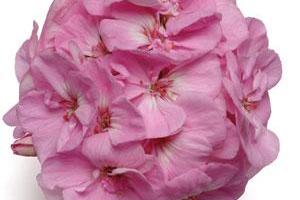
Photo of Hydrangea macrophylla 'Merritt's Supreme' - Florist Hydrangea
No photo for the moment for Hydrangea macrophylla 'Merritt's Supreme' - Florist Hydrangea

Please note: You must be the owner of the posted photo and it must not be copyrighted.
Things You Must Knows cannot be held responsible for photos posted in violation of this rule
Common Name:
Plant Type:
Foliage color:
GreenSun (From 0 to 5):
Water (From 0 to 5):
Maximum temperature:
Minimum temperature:
Maximum height:
Maximum width:
Florist Hydrangea (Hydrangea macrophylla 'Merritt's Supreme') - Description
A great addition to your landscape, Merrit's Supreme is a tidy little hydrangea measuring in at a compact 4' high. Very long lasting blooms will be an Indigo Blue in neutral to alkaline soils. The flowers will become a rose purple if soil has been amended to be more acidic. For true control over the flowering colors acidify or alkalize your soils at least 2 seasons before desired bloom. So for most, if not all, hydrangeas that would be in the fall for your late spring bloom.
Florist Hydrangea (Hydrangea macrophylla 'Merritt's Supreme') - Blooming
Flowers bloom in the spring, often pink or blue, in clusters called flowerheads. A flowerhead contains small fertile flowers surrounded by 4-petalled sterile florets.
Florist Hydrangea (Hydrangea macrophylla 'Merritt's Supreme') - Growth
Hydrangeas can grow in a wide range of conditions. Protect them from cold drying winds.
Florist Hydrangea (Hydrangea macrophylla 'Merritt's Supreme') - Planting
Dig a hole one foot wider and about as deep as the plant's root ball. Do not plant too deep. Roots should be visible at the surface of the soil and the top of the root ball should be even with the surrounding soil. In clay soil, the root ball should be slightly higher.Remove plants from their containers. Place plants in hole. Loosen roots by making four or five slashes, about one-inch deep vertically down the root ball with a knife. Then tease the roots out so they will grow into the surrounding soil. Be careful not to knock too much soil from the root ball.Back fill with a mix of existing soil and 1/2 soil amendment thoroughly mixed. In sandy porous soils, use sphagnum (Canadian) peat moss. In dense clay or poorly drained soils, use soil conditioner (finely ground pine bark).Water thoroughly. Then only water when the soil is dry to the touch about 1 1/2 inches or knuckle deep. Check regularly and only water when necessary.To give your new plant a head start, use a very mild solution of water soluble root-stimulating fertilizer which is high in phosphorous and potassium.
Florist Hydrangea (Hydrangea macrophylla 'Merritt's Supreme') - Pest
Aphids and slugs can be a potential problem for Hydrangeas. Other issues include powdery mildew, ringspot virus, leaf spots, gray mold, and rust, all of which are quite common.
Florist Hydrangea (Hydrangea macrophylla 'Merritt's Supreme') - Interesting facts
Hydrangea are endemic to the woodlands of Eastern Asia and North and South America.
Florist Hydrangea (Hydrangea macrophylla 'Merritt's Supreme') - Soil and irrigation
Hydrangea plants prefer ample moisture, with the pH depending on the cultivar. Species can become chlorotic if grown in alkaline soil.