Ilex latifolia
Lusterleaf Holly
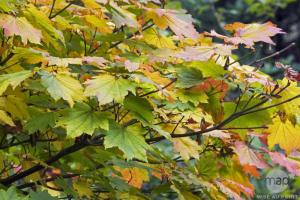
Photo of Ilex latifolia - Lusterleaf Holly
No photo for the moment for Ilex latifolia - Lusterleaf Holly

Please note: You must be the owner of the posted photo and it must not be copyrighted.
Things You Must Knows cannot be held responsible for photos posted in violation of this rule
Common Name:
Foliage color:
GreenSun (From 0 to 5):
Water (From 0 to 5):
Maximum temperature:
Minimum temperature:
Maximum height:
Maximum width:
Lusterleaf Holly (Ilex latifolia) - Description
Ilex latifolia (Tarajo Holly or Tarajo; Japanese: 多羅葉 (たらよう,tarayō?), Chinese: 大叶冬青 dà yè dōngqīng) is a species of holly, native to southern Japan (Shizuoka Prefecture south to Kyūshū) and eastern and southern China (Jiangsu south to Fujian and west to Yunnan), growing in broadleaf forests at altitudes of 200–1,500 m. It is a small to medium-sized evergreen tree growing to 10–20 m tall with a trunk up to 60 cm diameter.
Lusterleaf Holly (Ilex latifolia) - Blooming
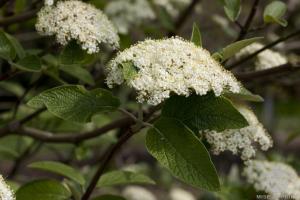
In the spring, tiny white flowers appear at the base of the leaves of the previous year's growth. Berries will only follow if both male and female plants are present.
Lusterleaf Holly (Ilex latifolia) - Growth
Holly have glossy leaves that sparkle in the sun and bright red berries, edible by birds. Only female plants yield berries, but a male plant is needed. Green hollies refer partial or full shade, but variegated hollies do best in full sun.
Lusterleaf Holly (Ilex latifolia) - Planting
Propagate from softwood or semi ripe cuttings taken in late summer. If growing from seeds, they will germinate after 2-3 years, and will need greenhouse protection during cold seasons.
Lusterleaf Holly (Ilex latifolia) - Interesting facts
Branches of I. aquifolium with berries are often used as Christmas decorations, the practice surviving from pre-Christian solstice celebrations. The dense, white wood of the holly is also used for carved decorations and chess pieces (the white ones).
Lusterleaf Holly (Ilex latifolia) - Soil and irrigation
Most types prefer acid soils but are otherwise fancied in their preferences and somewhat adaptable. Usually tolerate drought, urban and seashore conditions. In drier weather, you can water weekly by soaking the roots.