Acer japonicum
Downy Japanese Maple
Photo of Acer japonicum - Downy Japanese Maple
No photo for the moment for Acer japonicum - Downy Japanese Maple

Please note: You must be the owner of the posted photo and it must not be copyrighted.
Things You Must Knows cannot be held responsible for photos posted in violation of this rule
Common Name:
Flower color:
Sun (From 0 to 5):
Water (From 0 to 5):
Maximum temperature:
Minimum temperature:
Maximum height:
Maximum width:
Downy Japanese Maple (Acer japonicum) - Description
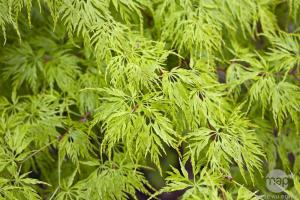
A. japonicum is native to Japan. It can grow to heights of 20 to 30 feet high, with equal or greater spread. They are nearly round with 2 to 5 inch long cleaves cut into 7 to 11 lobes. In the Fall, they are red, orange, and golden tones. They prefer part shade in warm regions given regular moisture.
Downy Japanese Maple (Acer japonicum) - Blooming
Maples are not known for their flowers but they do flower. The effect can be striking if the whole tree is in flower. The tiny flowers can be yellow, green, orange or red. They Maple tree fruit are unique. They resemble wing nuts that are sold at the hardware store and may come different colors.
Downy Japanese Maple (Acer japonicum) - Growth
Maples are a very large group of trees that come in many different sizes, leaf shapes and have different growth requirements. Maples grow well in northern latitudinal climes. In warmer climates leaves will show marginal leaf burn in mid-Summer and may not show Autumn colors in the Fall. Some species of Maple (such as A. buergerianum) can be trained to grow as bonsai trees.
Downy Japanese Maple (Acer japonicum) - Planting
Usually grown from ripe seed. Otherwise, bud in late summer, graft in winter.
Downy Japanese Maple (Acer japonicum) - Pest
Some species are susceptible to aphid damage, which can be resolved with a dimethoate spray. The leaves can be eaten by the larvae of a number of moth/butterfly species. Maples are affected by a number of fungal diseases. In late summer and autumn leaves can be disfigured by "tar spot" and mildew, but neither usually have an effect on long-term health. Though mostly deer resistant young trees, particularly Japanese maples are not.
Downy Japanese Maple (Acer japonicum) - Interesting facts
Maples make great bonsai plants. The most popular species for bonsai include A. palmatum, A. ginnala (Amur Maple), A. campestre (Field Maple), A. buergerianum (Trident Maple), and A. monspessulanum (Montpellier Maple).
Downy Japanese Maple (Acer japonicum) - Soil and irrigation
Prefers moist acidic soil. Alkaline soils (pH gt; 7.5) usually cause a yellowing of the leaf blades, often with pronounced green veins and stunted. Constant water is needed to support Maples' extensive shoot system especially while the tree is getting established. Occasional deep irrigations will promote deeper root development which will ease the constant need for available water.