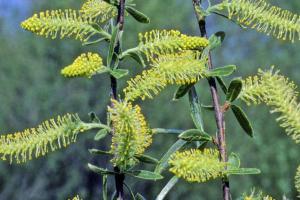
Gypsophila muralis 'Gypsy Deep Rose'
Russian Vine
Photo of Gypsophila muralis 'Gypsy Deep Rose' - Russian Vine
No photo for the moment for Gypsophila muralis 'Gypsy Deep Rose' - Russian Vine

Please note: You must be the owner of the posted photo and it must not be copyrighted.
Things You Must Knows cannot be held responsible for photos posted in violation of this rule
Common Name:
Flower color:
Foliage color:
GreenSun (From 0 to 5):
Water (From 0 to 5):
Maximum temperature:
Minimum temperature:
Maximum height:
Maximum width:
Russian Vine (Gypsophila muralis 'Gypsy Deep Rose') - Description
2004 All-America Winner. This classic "baby's breath" is soft, gorgeous rose-pink. Double and semi-double flowers create low airy mounds of vibrant color.
Russian Vine (Gypsophila muralis 'Gypsy Deep Rose') - Blooming
In larger types, plants will rebloom if cut back after the first flowering.
Russian Vine (Gypsophila muralis 'Gypsy Deep Rose') - Growth
Gypsophila grows best in full sun.
Russian Vine (Gypsophila muralis 'Gypsy Deep Rose') - Planting
Grow all types from basal cuttings of from seeds, or divide. Seeds can be sown indoors 4-6 weeks before outdoor planting time. Space 2-3' apart.
Russian Vine (Gypsophila muralis 'Gypsy Deep Rose') - Pest
Common problems include crown gall, crown rot, stem rot, and bacterial soft rot.
Russian Vine (Gypsophila muralis 'Gypsy Deep Rose') - Interesting facts
Gypsophila means "chalk lover" as Baby's breath grows well in chalky, calcium-rich soils.
Russian Vine (Gypsophila muralis 'Gypsy Deep Rose') - Soil and irrigation
Moderate water. Dries out quickly in hot, wet weather and poor-draining soil. Add lime to strongly acid soils, but most species do fine in neutral to slightly alkaline soil that is moist and well-drained. You do not need to water until after the foliage has started to grow, and only water 1-2 times a week if soil becomes dry.