Alstroemeria hybrids
Peruvian Lily
Photo of Alstroemeria hybrids - Peruvian Lily
No photo for the moment for Alstroemeria hybrids - Peruvian Lily

Please note: You must be the owner of the posted photo and it must not be copyrighted.
Things You Must Knows cannot be held responsible for photos posted in violation of this rule
Common Name:
Plant Type:
Foliage color:
GreenSun (From 0 to 5):
Water (From 0 to 5):
Maximum temperature:
Minimum temperature:
Maximum height:
Maximum width:
Peruvian Lily (Alstroemeria hybrids) - Description
Unique flower form adds interest to gardens.
Peruvian Lily (Alstroemeria hybrids) - Blooming
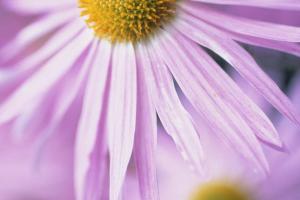
Flowers are borne at the tops of the stem. There are many different varieties with many different colors. Blooming requires optimal soil temperatures (between 55 and 61 degrees), and prolonged air temperatures above 75 degrees can stagnate or stop flowering. If soil temperatures, climate temperatures and irrigation levels are all adequate, extra light (up to 16 hours of total daylight per day) 45 to 60 days after planting can hasten flowering significantly. In greenhouses, alstroemeria will generally bloom between January and August.
Peruvian Lily (Alstroemeria hybrids) - Growth
Does best in full sun. Needs afternoon shade in the hottest of climates. When the plants grow large enough, consider surrounding them with mesh wire supports to facilitate tall growth.
Peruvian Lily (Alstroemeria hybrids) - Planting
Plant bulbs/rhizomes or tissue cultures 8 inches deep and 1 foot apart, preferably in raised beds. Ideally, plant during the summer or fall, but the plants can be cultivated year-round. Soil should be loose, well-draining and disease-free, with high organic matter content.
Peruvian Lily (Alstroemeria hybrids) - Pest
Alstroemeria is especially susceptible to thrips, which can be particularly devastating due to the viruses they may carry. In field settings, snails and slugs can be problematic. They can also be damaged by aphids, whiteflies and caterpillars. Other potential problems include iron deficiency, root rot, botrytis, and nematode virus transmission.
Peruvian Lily (Alstroemeria hybrids) - Interesting facts
Alstroemeria can be difficult to cultivate, due to their vulnerability to disease, suboptimal temperatures and improper lighting.
Peruvian Lily (Alstroemeria hybrids) - Soil and irrigation
Prior to germination, be careful not to over-water since the bulbs or rhizomes are susceptible to rot. Once plants are established, Alstroemeria needs regular water, and soil should not be left to dry out.