Cocos nucifera
Coconut
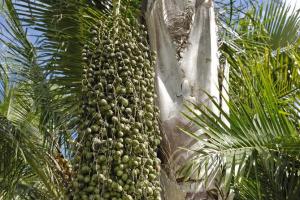
Photo of Cocos nucifera - Coconut
No photo for the moment for Cocos nucifera - Coconut

Please note: You must be the owner of the posted photo and it must not be copyrighted.
Things You Must Knows cannot be held responsible for photos posted in violation of this rule
Common Name:
Foliage color:
GreenSun (From 0 to 5):
Water (From 0 to 5):
Maximum temperature:
Minimum temperature:
Maximum height:
Maximum width:
Coconut (Cocos nucifera) - Description
The coconut palm (also, cocoanut), Cocos nucifera, is a member of the family Arecaceae (palm family). It is the only accepted species in the genus Cocos. The term coconut can refer to the entire coconut palm, the seed, or the fruit, which, botanically, is a drupe, not a nut. The spelling cocoanut is an archaic form of the word.
Coconut (Cocos nucifera) - Blooming
Blooms in intervals throughout the year. Flowers are fragrant, 3-petaled, usually cream to yellow in color. Followed by coconuts enveloped in fibrous husks.
Coconut (Cocos nucifera) - Growth
Single-stemmed palm that grows in coastal tropical regions. Grows best in full sun with moderate humidity. In areas where C. nucifera is not growing hardy, raise as short-lived foliage plants indoors in a warm greenhouse or as houseplants. Can be grown as a specimen tree or stree tree in warmer regions.Coconuts do best with relatively high humidity (70% and higher). Although dry climates may have the warm temperatures to support the growth of the coconut, without the high humidity the coconut will suffer.
Coconut (Cocos nucifera) - Planting
Propagate from the seed in spring at 81-86°F (27-30°C). Coconuts do not need to be completely buried in soil to start from seed.
Coconut (Cocos nucifera) - Pest
Common pests include scale insects and spider mites. Other issues include lethal yellows, tar spot, butt rot, viral diseases, and false smut.
Coconut (Cocos nucifera) - Interesting facts
There is only one known species of Cocos, C. nucifera, present in coastal tropical regions throughout the world. Its origins probably lie in the western Pacific.
Coconut (Cocos nucifera) - Soil and irrigation
Although coconuts can adapt to almost any soil, they grow best in fertile, humus-rich, moist soil with good drainage. Water moderately during growth, less in winter. Soil-based potting mixes with added sharp sand and fibrous organic matter work well for indoor plants.