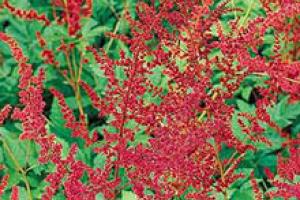
Darwinia citriodora
Lemon-Scented Myrtle
Photo of Darwinia citriodora - Lemon-Scented Myrtle
No photo for the moment for Darwinia citriodora - Lemon-Scented Myrtle

Please note: You must be the owner of the posted photo and it must not be copyrighted.
Things You Must Knows cannot be held responsible for photos posted in violation of this rule
Common Name:
Plant Type:
Foliage color:
GreenSun (From 0 to 5):
Water (From 0 to 5):
Maximum temperature:
Minimum temperature:
Maximum height:
Maximum width:
Lemon-Scented Myrtle (Darwinia citriodora) - Description
Darwinia citriodora, commonly known as Lemon-scented Darwinia, is a shrub which has both erect and prostrate, forms and is endemic to Southwest Australia. It usually grows to between 0. 2 and 1. 5 metres in height, occasionally reaching 3 metres, and produces red, yellow, and green flowers between May and December. It occurs on granite formations and lateritic soils. The species has been used as rootstock in attempts to cultivate species of Verticordia.
Lemon-Scented Myrtle (Darwinia citriodora) - Blooming
Blooms very small, petalless flowers that surround petal-like bracts.
Lemon-Scented Myrtle (Darwinia citriodora) - Growth
Evergreen shrubs, found in heaths, sandy plains, and scrub. The leaves of some species are aromatic. Darwinia grows best with full sun exposure, or full light, and good ventilation. Will benefit from some midday shade. In areas where scent myrtles are not growing hardy, raise plants in a cool greenhouse with a minimum temperature of 35F (2C). During the day, set temperatures between 41-50F (5-10C), and at night, keep the temperature at 36F (2C). Hardier plants work well in a border or at the base of a wall.
Lemon-Scented Myrtle (Darwinia citriodora) - Planting
Propagate from the seed in spring at a temperature of atleast 61F (16C). Root semi-ripe cuttings in summer using bottom heat. Semi-ripe cuttings are cuttings taken from semi-mature wood. Conduct layering in spring. Layering is a propagation method where a stem is pegged to the soil while still attached to the parent plant. This process induces rooting.
Lemon-Scented Myrtle (Darwinia citriodora) - Pest
Prone to scale insects.
Lemon-Scented Myrtle (Darwinia citriodora) - Interesting facts
Darwinia is endemic to southwestern Australia. There are 60 known species. The leaves of D. citriodora are lemon scented.
Lemon-Scented Myrtle (Darwinia citriodora) - Soil and irrigation
Does best in humus-rich, sandy soil that is well-draining. Sandy, soilless potting mixes with good drainage work fine for indoor plants. Water moderately during the growing season, less in winter, but keep moist. Move to larger containers or top dress in spring if necessary.