Euphorbia supina
Milk Purslane
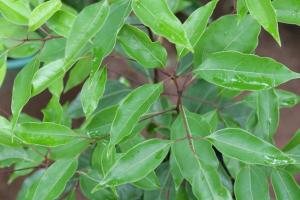
Photo of Euphorbia supina - Milk Purslane
No photo for the moment for Euphorbia supina - Milk Purslane

Please note: You must be the owner of the posted photo and it must not be copyrighted.
Things You Must Knows cannot be held responsible for photos posted in violation of this rule
Common Name:
Foliage color:
GreenSun (From 0 to 5):
Water (From 0 to 5):
Maximum temperature:
Minimum temperature:
Maximum height:
Milk Purslane (Euphorbia supina) - Description
Spurges include annual and perennial herbs, woody shrubs, and trees. All have milky sap that is poisonous and exploding seed pods.
Milk Purslane (Euphorbia supina) - Blooming
All Euphorbia have very small flowers with one female flower clustered by several male flowers. The showy "flowers" of Euphorbia are colorful bracts beneath the true flowers.
Milk Purslane (Euphorbia supina) - Growth
An extremely varied genus, Euphorbia contains annuals, biennials, perennials, subshrubs, trees, and succulents. Most species do well in full sun and light shade, but some species may have other requirements.
Milk Purslane (Euphorbia supina) - Planting
Propagate perennials by division or by seeds. Sow seeds of annuals indoors 6-8 weeks before the last spring frost. For succulents, sow seeds when ripe at 59-69F (15-20C). Can also propagate by rooting complete or sections of stems in spring. Shrubs and tree species can be broadcasted by rooting stem-tip cuttings in spring or early summer.
Milk Purslane (Euphorbia supina) - Pest
Nematodes, spider mites, mealybugs, and aphids can cause serious damage. Other issues include fungal and bacterial diseases and virus problems.
Milk Purslane (Euphorbia supina) - Interesting facts
Euphorbia is one of the most diverse genera of plants, and named after an ancient Greek physician, Euphorbus, who gave an herbal remedy made from a spurge to treat the kings swollen belly. The common name spurge also comes from its use as an herbal purgative.
Milk Purslane (Euphorbia supina) - Soil and irrigation
Most perennials prefer loose, poor to average, well-drained soil. Different species have different requirements.