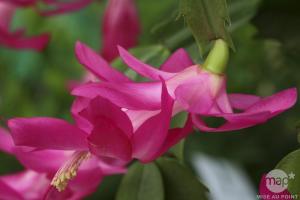
Potentilla fruticosa
Dasiphora Fruticosa
Photo of Potentilla fruticosa - Dasiphora Fruticosa
No photo for the moment for Potentilla fruticosa - Dasiphora Fruticosa

Please note: You must be the owner of the posted photo and it must not be copyrighted.
Things You Must Knows cannot be held responsible for photos posted in violation of this rule
Common Name:
Foliage color:
GreenSun (From 0 to 5):
Water (From 0 to 5):
Maximum temperature:
Minimum temperature:
Maximum height:
Maximum width:
Dasiphora Fruticosa (Potentilla fruticosa) - Description
Cinquefoil is a dense shrub usually with yellow flowers, although other colors are found with cultivars.
Dasiphora Fruticosa (Potentilla fruticosa) - Blooming
Five petaled, cup or saucer shaped flowers, usually borne over a long season from spring or early summer to fall. Carried singly or in small clusters in colors such as white, yellow, orange, pink, and red.
Dasiphora Fruticosa (Potentilla fruticosa) - Growth
Perennials, subshrubs, and shrubs, and a few annuals and biennials. Leaves are compound arranged in a palmate or pinnate fashion. Potentilla grows best in full sun. Many species work well in rock gardens or mixed borders. Shrubby species are nice for shrub borders or as low hedges.
Dasiphora Fruticosa (Potentilla fruticosa) - Planting
Sow seeds in fall or spring in containers in a cold frame (for protection and to ensure hardiness). Propagate perennials by division in fall or spring. Shrubs can be propagated from greenwood cuttings in early summer.
Dasiphora Fruticosa (Potentilla fruticosa) - Pest
Potentilla is susceptible to powdery mildew, leaf blister, rust, downy mildew, and fungal leaf spots.
Dasiphora Fruticosa (Potentilla fruticosa) - Interesting facts
Potentilla is native to a range of habitats in the Northern Hemisphere, such as meadows and mountain screes. Although the fruits (and foliage) may look like strawberries, the berries, while edible, are not sweet.
Dasiphora Fruticosa (Potentilla fruticosa) - Soil and irrigation
Poor to moderately rich, well-drained soil. Sandy to loamy is fine, but clay drains too slowly. Species grown in a rock garden prefer poor, gritty soil with excellent drainage.