Primula rosea
Primula
Photo of Primula rosea - Primula
No photo for the moment for Primula rosea - Primula

Please note: You must be the owner of the posted photo and it must not be copyrighted.
Things You Must Knows cannot be held responsible for photos posted in violation of this rule
Common Name:
Sun (From 0 to 5):
Water (From 0 to 5):
Maximum temperature:
Minimum temperature:
Primula (Primula rosea) - Description
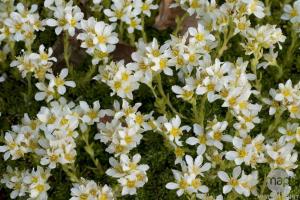
Primula rosea, the Himalayan meadow primrose, is a flowering plant species in the genus Primula. Rosinidin is an anthocyanidin found in P. rosea.
Primula (Primula rosea) - Blooming
Clusters of flowers that are usually salverform. Many are early bloomers.
Primula (Primula rosea) - Growth
Hardy and tender perennials. Rosettes of narrow to broadly rounded leaves. Primula is very diverse and includes many species with differing needs. Typically, Primroses grow well in regions with cool summers. Some alpine species may also require dry conditions during the winter. Primroses work well in the garden. Plant in bog sites, nearby a water source, in a rock garden, or in a border. Less hardy species should be grown indoors, in a cool or temperate greenhouse in containers, or as a houseplant. There are five major types of hybrids of Primula: Auricula, Candelabra, Acaulis, Polyanthus, and Juliana.
Primula (Primula rosea) - Planting
Divide in spring or early summer, or sever individual offsets with a trowel or use seeds.
Primula (Primula rosea) - Pest
Aphids, weevils, spider mites, and slugs. Primula is also prone to gray mold, root rot, leaf spots, rust, and viruses.
Primula (Primula rosea) - Interesting facts
Half of the species of Primula are native to the Himalayas. The leaves, flowering stems, and calyces have an outer layer of white or yellow waxy meal.
Primula (Primula rosea) - Soil and irrigation
Mostly need rich, evenly moist, well-drained soil. Water to keep soil moist.