Bergenia hybrids
Elephant-Eared Saxifrage
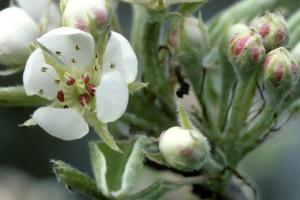
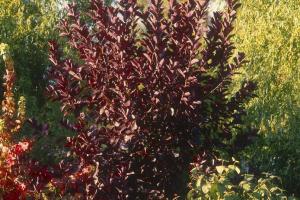
Photo of Bergenia hybrids - Elephant-Eared Saxifrage
No photo for the moment for Bergenia hybrids - Elephant-Eared Saxifrage

Please note: You must be the owner of the posted photo and it must not be copyrighted.
Things You Must Knows cannot be held responsible for photos posted in violation of this rule
Common Name:
Sun (From 0 to 5):
Water (From 0 to 5):
Maximum temperature:
Minimum temperature:
Maximum height:
Maximum width:
Elephant-Eared Saxifrage (Bergenia hybrids) - Description
Bergenia are native to central Asia, from Afghanistan to China and the Himalayas. They are evergreen perennial plants with a spirally arranged rosette of leaves 6-35 cm long and 4-15 cm broad, and pink flowers produced in a cyme.
Elephant-Eared Saxifrage (Bergenia hybrids) - Blooming
Blooms in the spring and sometimes again in the fall. Flower colors can be white, red and various pinks. Funnel-shaped, 5-petaled borne on red or purple flower stems.
Elephant-Eared Saxifrage (Bergenia hybrids) - Growth
Clump-forming, evergreen perennials. Bergenias have a wide range of light needs, but in the warmest of climates they will do best with a partial shade. Otherwise, if the climate is cool enough, they can thrive with full sun. Grow Bergenia in a woodland garden or border. Also works as a groundcover.
Elephant-Eared Saxifrage (Bergenia hybrids) - Planting
Plant the seedlings during fall. Root rhizome sections from seed-raised plants every 3-5 years in spring or autumn.
Elephant-Eared Saxifrage (Bergenia hybrids) - Pest
Snails and slugs can cause trouble, along with weevils, caterpillars, and foliar nematode. Other problems include fungal leaf spots and rhizome rot.
Elephant-Eared Saxifrage (Bergenia hybrids) - Interesting facts
There are only about 6-8 species of Bergenia. B. cordata is often planted in gardens.
Elephant-Eared Saxifrage (Bergenia hybrids) - Soil and irrigation
Needs regular water. Does best in humus-rich, moist but well-drained soil. Can tolerate poor soil, but cannot bear heat and drought. Poor soil enhances winter leaf color.