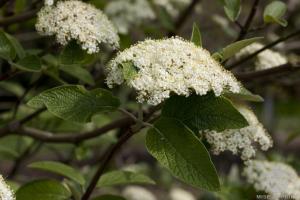
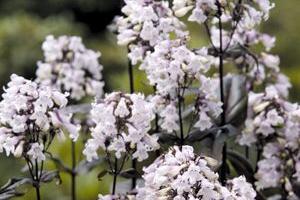
Broussonetia papyrifera
Paper Mulberry
Photo of Broussonetia papyrifera - Paper Mulberry
No photo for the moment for Broussonetia papyrifera - Paper Mulberry

Please note: You must be the owner of the posted photo and it must not be copyrighted.
Things You Must Knows cannot be held responsible for photos posted in violation of this rule
Common Name:
Foliage color:
GreenSun (From 0 to 5):
Water (From 0 to 5):
Maximum temperature:
Minimum temperature:
Maximum height:
Maximum width:
Paper Mulberry (Broussonetia papyrifera) - Description
Broussonetia papyrifera is native to China and Japan. It is valuable as a shade tree, withstanding strong winds, heat, city pollution, and stony, sterile, or alkaline soils. It has moderate to fast growth to heights of 50 feet tall, with a dense, broad crown spreading 40 feet across.
Paper Mulberry (Broussonetia papyrifera) - Blooming
Male and female flowers are borne on separate plants and are generally insignificant. In autumn, B. papyrifera will produce sweet-tasting, orange-red fruit.
Paper Mulberry (Broussonetia papyrifera) - Growth
Deciduous trees and shrubs. Does best with full sun exposure. Tough plants that can tolerate heat, strong winds and city pollution. Can reach 50 ft. tall and 40 ft. tall. Grows well in urban locations, as Broussonetia is tolerant of pollution. In sites with cool summers, grow Broussonetia as a large shrub. Works well in a shrub border.
Paper Mulberry (Broussonetia papyrifera) - Planting
In autumn, sow seeds in a cold frame using containers. In late summer, insert semi-ripe cuttings. Insert hardwood or root cuttings in winter. Suckers should also be transplanted in winter.
Paper Mulberry (Broussonetia papyrifera) - Pest
Prone to many types of cankers and leaf spots.
Paper Mulberry (Broussonetia papyrifera) - Interesting facts
The bark of the Paper Mulberry is used to make Taba cloth or high quality paper. However, in areas where it has become invasive, its pollen causes allergy problems.
Paper Mulberry (Broussonetia papyrifera) - Soil and irrigation
Drought tolerant in most climates but can be a thirsty tree in more desert climates. Tolerates stony, sterile and alkaline soils. Does best in well-drained soil.