Capsicum x 'Zavory'
Capsicum
Photo of Capsicum x 'Zavory' - Capsicum
No photo for the moment for Capsicum x 'Zavory' - Capsicum

Please note: You must be the owner of the posted photo and it must not be copyrighted.
Things You Must Knows cannot be held responsible for photos posted in violation of this rule
Common Name:
Flower color:
Foliage color:
GreenSun (From 0 to 5):
Water (From 0 to 5):
Maximum temperature:
Minimum temperature:
Maximum height:
Capsicum (Capsicum x 'Zavory') - Description
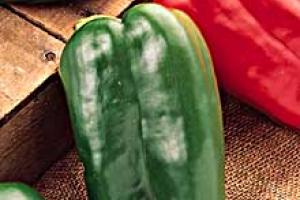
An exciting breakthrough sure to become the conversation piece of your summer garden. Habanero peppers have a distinctive taste, but are the very hottest Chile peppers in the world up to 300,000 units on the Scoville scale. This prevents many people from ever enjoying them, but not any more. Zavory is the first ever Habanero with a mild heat registering only 100 Scovilles! You can bite into one just like an apple and survive to tell the tale. The beautiful shiny, cardinal red fruits appear in large numbers in late summer on vigorous branching 30" plants. The small peppers are still notoriously long hangers before they ripen, so expect about 90 days until these fruits are finished.
Capsicum (Capsicum x 'Zavory') - Blooming
Blooms star to bell-shaped solitary or clustered flowers in yellow, white, greenish white, pruple, or purple tinged.
Capsicum (Capsicum x 'Zavory') - Growth
For best growth, Peppers need a long, warm growing season. If temperatures drop below 60°F (15°C), especially when there are fruits present on the stem, your harvest can be damaged.
Capsicum (Capsicum x 'Zavory') - Planting
Sow pepper seeds indoors in containers 8 to 10 weeks before the projected last frost in cold climates. When the soil has warmed and the night temperatures are no longer dipping below 55°F/13°C, the seedling should be set outdoors about 2 ft. apart.
Capsicum (Capsicum x 'Zavory') - Pest
Susceptible to aphids, whiteflies, cutworms and pepper weevils. Simply spray the offending insects with a strong blast from a garden hose. Be careful not to harm the plant in the process however. Both the larvae and adult pepper weevils attack the fruit. It's best to destroy the infested plants. Keep the soil weed-free.
Capsicum (Capsicum x 'Zavory') - Interesting facts
This genus of plants is known for a specific compound and its many derivatives. That compound is capsaicin. Capsaicin is usually concentrated in the fruits and around the seeds of plants in this genus. It is an irritant to many animals, including humans, and causes a "burning" sensation when it comes in contact with any tissue. It is generally thought that capsaicin is concentrated around the seeds to prevent them from being eaten by animals. People have come to enjoy the spiciness of the compound as is proven by these plants' wide distribution and cultivation. Contact with this compound can cause inflammation, which some scientists would agree is not entirely a bad thing. The compound promotes an increase in blood flow to the gastrointestinal tract, which results in quicker and more efficient digestion. Not too mention, the compound increases the production of gastric juices.
Capsicum (Capsicum x 'Zavory') - Soil and irrigation
Peppers thrive in soils that are constantly and thoroughly moist, but not soaked.