Caryopteris incana
Caryopteris
Photo of Caryopteris incana - Caryopteris
No photo for the moment for Caryopteris incana - Caryopteris

Please note: You must be the owner of the posted photo and it must not be copyrighted.
Things You Must Knows cannot be held responsible for photos posted in violation of this rule
Common Name:
Foliage color:
YellowSun (From 0 to 5):
Water (From 0 to 5):
Maximum temperature:
Minimum temperature:
Maximum height:
Maximum width:
Caryopteris (Caryopteris incana) - Description
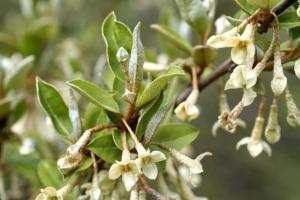
Bluebeard is a herbaceous plants or small shrubs growing from 2 to 8 feet tall, depending on the variety. They are often grown as ornamental pieces in gardens. Flowers are a Cool Blue color, which bloom in clusters.
Caryopteris (Caryopteris incana) - Blooming
Flowers from midsummer through early fall, until temperatures dip below freezing. The blooms are blue and aromatic.
Caryopteris (Caryopteris incana) - Growth
Woody perennial that will die back to the ground in the winter, but only with freezing temperatures. The leaves and flowers are aromatic. Grow Caryopteris in a mixed or shrub border.
Caryopteris (Caryopteris incana) - Planting
Sow seeds in fall in containers in a cold frame. Cold frames are protective structures, located outside for propagating and growing plants. Can also propagate from softwood cuttings in spring or greenwood cuttings in early summer. Softwood cuttings are cuttings taken from young, non-woody growth. Greenwood cuttings are taken from shoot-tips of plants, and are harder than softwood cuttings.
Caryopteris (Caryopteris incana) - Pest
Capsid bugs occasionally cause leaf distortion.
Caryopteris (Caryopteris incana) - Interesting facts
Bluebeard is native to southern and eastern Asia.
Caryopteris (Caryopteris incana) - Soil and irrigation
Requires well-drained soils to prevent root rot. Prefers light, medium rich soils.