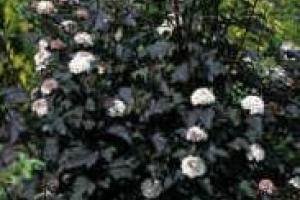
Cattleya maxima
Cattleya
Photo of Cattleya maxima - Cattleya
No photo for the moment for Cattleya maxima - Cattleya

Please note: You must be the owner of the posted photo and it must not be copyrighted.
Things You Must Knows cannot be held responsible for photos posted in violation of this rule
Common Name:
Plant Type:
Foliage color:
GreenSun (From 0 to 5):
Water (From 0 to 5):
Maximum temperature:
Minimum temperature:
Maximum height:
Cattleya (Cattleya maxima) - Description
Cattleya is native to tropical America, and is among the most popular and well-known of orchids.
Cattleya (Cattleya maxima) - Blooming
Produces very few, yet exquisitely beautiful, blooms. Using a high-phosphorus fertilizer (or "bloom booster") can ensure healthy flowers.
Cattleya (Cattleya maxima) - Growth
Grows best in tightly-controlled conditions, like in a greenhouse. This orchid does best with light shade or bright indirect light. Cattleyas can be grown outdoors year round in Hawaii. They can be grown indoors if they have warm temperatures and high humidity (50-60%). Too little light can result in new leaves that are too soft and dark in color (a healthy plant should have light green, erect leaves). Planting medium breaks down over time, and should be replaced every 2-3 years.
Cattleya (Cattleya maxima) - Planting
Due to its delicate nature and unusual growing medium, they do best when purchased as starter plants and used as indoor potted plants. Cattleya reproduces via "pseudobulbs", which can be separated from the parent plant and potted on their own.
Cattleya (Cattleya maxima) - Pest
Fungus and disease can be problems due to the high humidity. Good air circulation can help deter these problems.
Cattleya (Cattleya maxima) - Interesting facts
Often used in corsages.
Cattleya (Cattleya maxima) - Soil and irrigation
In houseplants, use moist Osmunda root substrate or bark instead of traditional soil. It does best with two types of moisture: high humidity (50-80%) and intermittent watering. In dry climates, misting the plant in morning can help make up for the lack of humidity. In addition, the plant can be placed on top of a tray filled with water and gravel.