Centaurea macrocephala 'Sun Globe'
Centaurea
Photo of Centaurea macrocephala 'Sun Globe' - Centaurea
No photo for the moment for Centaurea macrocephala 'Sun Globe' - Centaurea

Please note: You must be the owner of the posted photo and it must not be copyrighted.
Things You Must Knows cannot be held responsible for photos posted in violation of this rule
Common Name:
Plant Type:
Flower color:
Foliage color:
GreenSun (From 0 to 5):
Water (From 0 to 5):
Maximum temperature:
Minimum temperature:
Maximum height:
Maximum width:
Centaurea (Centaurea macrocephala 'Sun Globe') - Description
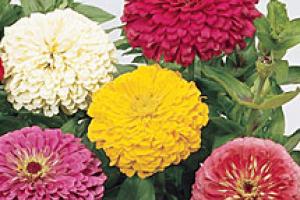
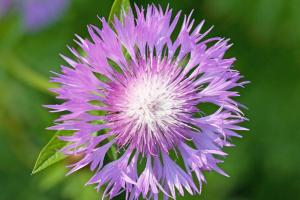
Enormous 4" golden-yellow powder-puff ball blooms. Vigorous, low maintenance plants are ideal for sunny gardens and borders. Easy to grow, use fresh or dried in bouquets.
Centaurea (Centaurea macrocephala 'Sun Globe') - Blooming
The few species that are cultivated for horticultural reasons are mostly done so for cut flowers. When sown in April/May, will bloom between June and September. The critical factor in blooming success of cornflowers is lighting: the plant needs about three weeks of long days in order to bloom.
Centaurea (Centaurea macrocephala 'Sun Globe') - Growth
Although there are about 500 species, they all perform best with full sun. All horticultural species are easy to grow. Centaurea attracts bees and butterflies. Grow Centaurea in a border or rock garden. Many species of Centaurea produce flowers that are suitable for cutting.
Centaurea (Centaurea macrocephala 'Sun Globe') - Planting
Can be planted either through seeds or starter plants. When using seeds, sow directly into the ground during spring (April/May). In overall warmer and brighter climates (like California or Florida), seeds may be sown in September to yield blooms in late winter (February).
Centaurea (Centaurea macrocephala 'Sun Globe') - Pest
Potential threats include aphids, spider mites, leafhoppers, and most plant diseases (especially botrytis, fusarium, mildew, rust, sclerotina, and root rot induced by pythium or rhizoctonia).
Centaurea (Centaurea macrocephala 'Sun Globe') - Interesting facts
Herbaceous thistles from the Old World. Excellent source of nectar. In the olden days, some men would place one of cornflower in one of their buttonholes before going courting, hence the nickname "Bachelor's Button". Cornflowers have been popular in North American gardens since Colonial times.
Centaurea (Centaurea macrocephala 'Sun Globe') - Soil and irrigation
Add lime to acidic soils for best plant performance. Centaurea does best in well-draining soil.