Chasmanthium latifolium
Sea Oats
Photo of Chasmanthium latifolium - Sea Oats
No photo for the moment for Chasmanthium latifolium - Sea Oats

Please note: You must be the owner of the posted photo and it must not be copyrighted.
Things You Must Knows cannot be held responsible for photos posted in violation of this rule
Common Name:
Foliage color:
GreenSun (From 0 to 5):
Water (From 0 to 5):
Maximum temperature:
Minimum temperature:
Maximum height:
Maximum width:
Sea Oats (Chasmanthium latifolium) - Description
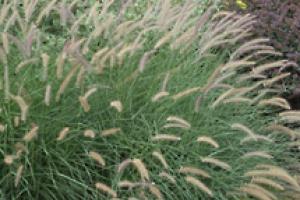
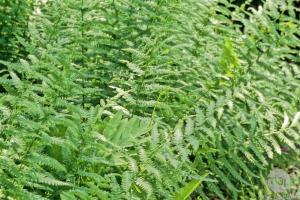
C. latifolium is an ornamental grass from the moist woodlands of the Eastern United States. It bears broad, bamboolike leaves which form a 2 foot wide clump with silvery green spikelets that resemble flattened clusters of oats. Use as an accent or in mass plantings, this grass is excellent for cut arrangements, fresh or dried.
Sea Oats (Chasmanthium latifolium) - Blooming
Although most grasses are not known for their floral inflorescences, this plant produces a stem that can be up to 5 ft. tall where silvery green spikelets are borne upon them.
Sea Oats (Chasmanthium latifolium) - Growth
Perennials grasses. Gets its common name, Bamboo Grass, from the shape of the leaves that look like Bamboo leaves. Clumps spread slowly and are not weedy. Grow Chasmanthium in a mixed or herbaceous border. Also makes a nice addition to a woodland garden.
Sea Oats (Chasmanthium latifolium) - Planting
Sow seeds in a cold frame in spring using containers. Cold frames are protective structures, located outside for propagating and growing plants. Can divide between mid spring and early summer. Division entails propagating a plant by splitting it into 2 or more parts. Each part has its own root system and more than one shoot or dormant bud.
Sea Oats (Chasmanthium latifolium) - Pest
Uncommon.
Sea Oats (Chasmanthium latifolium) - Interesting facts
Sea oats are sometimes used on sandy dunes to help prevent erosion.
Sea Oats (Chasmanthium latifolium) - Soil and irrigation
Enjoys regular water. Does best in fertile, moist, but well-drained soil.