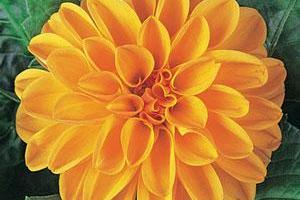
Chrysanthemum nipponicum
Nippon Daisy
Photo of Chrysanthemum nipponicum - Nippon Daisy
No photo for the moment for Chrysanthemum nipponicum - Nippon Daisy

Please note: You must be the owner of the posted photo and it must not be copyrighted.
Things You Must Knows cannot be held responsible for photos posted in violation of this rule
Common Name:
Foliage color:
GreenSun (From 0 to 5):
Water (From 0 to 5):
Maximum temperature:
Minimum temperature:
Maximum height:
Nippon Daisy (Chrysanthemum nipponicum) - Description
Daisy-like flowers on full, dense plants. A full, dense plant that reaches 36" tall with large 3", white, daisy-like flowers. A showy choice for late summer. Attracts butterflies. Ht: 24-36". Zones 5-11.
Nippon Daisy (Chrysanthemum nipponicum) - Blooming
Blooming usually occurs in fall, due to the shortening of day-length. Blooms can be forced artificially by restricting the amount of light the plant receives, thus mimicking a shorter day. Inversely, increasing the amount of light the plant receives will inhibit blooming and foster more vegetative growth. Heat stress (90°F (32°C) and up) can delay flowering. Best blooming occurs at temperatures between 65 and 75°F (32°C).
Nippon Daisy (Chrysanthemum nipponicum) - Growth
Almost every Chrysanthemum does best with full sun. Chrysanthemums are a huge group of plants that require a wide variety of plant growth needs. Different varieties are suitable for many different climates.
Nippon Daisy (Chrysanthemum nipponicum) - Planting
Mums are easily propagated vegetatively via rooted cuttings. Be sure to give adequate water to recent transplants as they may not have sufficient root systems to accommodate their thirsty leaves. A misting irrigation unit is ideal, with mist intervals decreasing in number as the cuttings gain strength. Alternately, mums are frequently available as potted plants to be transplanted into a garden or container.
Nippon Daisy (Chrysanthemum nipponicum) - Pest
Aphids, mealy bugs, scales, thrips, caterpillars, leaf miners, fungus gnats, spider mites, whiteflies, bacterial leaf spot, crown gall, fusarium, pythium, rhizoctonia, blight, and occasionally white rust.
Nippon Daisy (Chrysanthemum nipponicum) - Interesting facts
Most often used as flowering potted plants, bedding plants or cut flowers. This flower is widely used around the world, and garners special significance to different cultures, groups and locales. White mums are used exclusively as symbols of death or mourning in Japan and other countries. The mum is the official flower of the city of Chicago. Chrysanthemum tea is popular in China, as is the use of chrysanthemum foliage in cooking.
Nippon Daisy (Chrysanthemum nipponicum) - Soil and irrigation
Generally, Mums need high levels of organic matter in their soils to thrive. The soil should be well-drained. Water stress early in propagation can result in smaller blooms, so water plants carefully. Using drip irrigation is a good idea, since keeping the foliage dry can help prevent certain diseases