Cistus pulverulentus 'Sunset'
Rockrose
Photo of Cistus pulverulentus 'Sunset' - Rockrose
No photo for the moment for Cistus pulverulentus 'Sunset' - Rockrose

Please note: You must be the owner of the posted photo and it must not be copyrighted.
Things You Must Knows cannot be held responsible for photos posted in violation of this rule
Common Name:
Flower color:
Sun (From 0 to 5):
Water (From 0 to 5):
Maximum temperature:
Minimum temperature:
Maximum height:
Maximum width:
Rockrose (Cistus pulverulentus 'Sunset') - Description
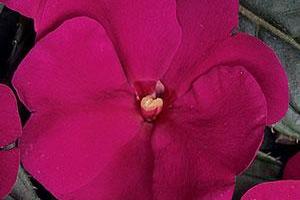
C. 'Sunset' is a densely spreading plant with resinous gray-green leaves and dark magenta pink flowers.
Rockrose (Cistus pulverulentus 'Sunset') - Blooming
Blooms from spring into early summer with white to dark pink flowers. To encourage bushiness, pinch back young plants after flowering has occured.
Rockrose (Cistus pulverulentus 'Sunset') - Growth
Evergreen shrubs. Rockroses do best with full sun. Make sure to grow in a sheltered area. They can survive in temperatures as low as 15°F/-9°C. Rockroses thrive in climates that have hot, dry summers. They are generally tolerant of aridity, cold ocean breezes, salt sprays and desert heat. Rockroses are short-lived plants that can be grown in a shrub border, in containers, or even on sunny banks, at the base of a wall, or around paved areas.
Rockrose (Cistus pulverulentus 'Sunset') - Planting
As soon as ripe, or in spring, sow seeds in a cold frame in containers. Can also propagate by rooting softwood or greenwood cuttings in summer. Plant only after the danger of frost has passed.
Rockrose (Cistus pulverulentus 'Sunset') - Pest
Uncommon.
Rockrose (Cistus pulverulentus 'Sunset') - Interesting facts
Cistus can sometimes be found with truffles, as the fungus will help it grow in poor quality soil. The association does not seem to be strong enough to work on a commercial scale, though.
Rockrose (Cistus pulverulentus 'Sunset') - Soil and irrigation
Does best in poor to moderately fertile, well-draining soil. Will tolerate alkaline soils, but can become chlorotic. Requires little to no water.