Colocasia esculenta
Taro
Photo of Colocasia esculenta - Taro
No photo for the moment for Colocasia esculenta - Taro

Please note: You must be the owner of the posted photo and it must not be copyrighted.
Things You Must Knows cannot be held responsible for photos posted in violation of this rule
Common Name:
Sun (From 0 to 5):
Water (From 0 to 5):
Maximum temperature:
Minimum temperature:
Maximum height:
Maximum width:
Taro (Colocasia esculenta) - Description
Colocasia esculenta is a tropical plant grown primarily for its edible corms, the root vegetables whose many names include Taro and Eddoe. It is believed to be one of the earliest cultivated plants.
Taro (Colocasia esculenta) - Blooming
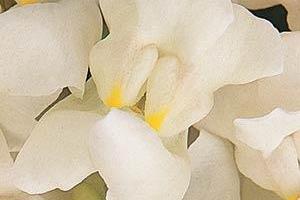
Blooms small, white flowers followed by single-seeded berries.
Taro (Colocasia esculenta) - Growth
Taro grows best in partial shade, or bright filtered light, and high humidity. In warm areas, Colocasia works well as foliage plants. Where Taro is not growing hardy, raise plants in a warm greenhouse, in containers or at the margin of an indoor pool. A warm greenhouse has a minimum temperature of 55°F (13°C). During the day, temperatures should be set to 55-64°F (13-18°C) or above, and at night, the temperature should be at 55°F (13°C). Plants can also be grown as annuals, outdoors in the ground or in containers.
Taro (Colocasia esculenta) - Planting
Conduct division in winter or early spring. Division entails propagating a plant by splitting it into 2 or more parts. Each part has its own root system and more than one shoot or dormant bud.
Taro (Colocasia esculenta) - Pest
Taro is vulnerable to bacterial blight, soft rot, corm and root rot, dasheen mosaic virus, aphids, whiteflies, and spider mites.
Taro (Colocasia esculenta) - Interesting facts
There are only 6 known species of Colocasia, native to tropical Asia. Taro is an important staple food in Asia, as well as in many other oceanic countries, such as Hawaii, where it has been adopted. The corm (which is a type of underground stem), along with the leaves, are eaten, but only after cooking to destroy the harmful toxin. The sap from the plants may also aggravate the skin upon contact.
Taro (Colocasia esculenta) - Soil and irrigation
Colocasia grows best in soil that is fertile, humus-rich, slightly acidic (pH 5.5-6.5), and moist or wet. Soilless potting mixes work fine for indoor plants. Pot up tubers in spring, and grow at 64°F (18°C). Water liberally during the growing season. When dormant, keep tubers dry and protected from the frost.