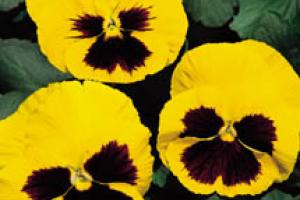
Crocus chrysanthus 'Naturalizing Mix'
Crocus
Photo of Crocus chrysanthus 'Naturalizing Mix' - Crocus
No photo for the moment for Crocus chrysanthus 'Naturalizing Mix' - Crocus

Please note: You must be the owner of the posted photo and it must not be copyrighted.
Things You Must Knows cannot be held responsible for photos posted in violation of this rule
Common Name:
Foliage color:
GreenSun (From 0 to 5):
Water (From 0 to 5):
Maximum temperature:
Minimum temperature:
Maximum height:
Maximum width:
Crocus (Crocus chrysanthus 'Naturalizing Mix') - Description
Large blossoms, 5 welcome spring colors! Excellent for naturalizing in lawns.
Crocus (Crocus chrysanthus 'Naturalizing Mix') - Blooming
Each corm produces one to five blooms, which may be yellow, white, purple, lavender, or bicolored, depending on the cultivar. Flowers appear in late winter or early spring for spring-blooming crocuses. The flowers range from cup to goblet shaped.
Crocus (Crocus chrysanthus 'Naturalizing Mix') - Growth
Clump-forming dwarf perennials. Grassy leaves appear just after or with flowers. Most grow best in full sun or partial shade. Works well in rock gardens or borders.
Crocus (Crocus chrysanthus 'Naturalizing Mix') - Planting
For spring blooming crocuses, plant in fall, 3-4" deep. For autumn blooming crocuses plant in late summer or early fall. Crocuses won't naturalize where the winter is warm.
Crocus (Crocus chrysanthus 'Naturalizing Mix') - Pest
Chipmunks will dig up and eat any Crocus they can.
Crocus (Crocus chrysanthus 'Naturalizing Mix') - Soil and irrigation
Poor to average, sandy or gritty soil. Soil should be well-drained, and preferably completely dry when the crocuses are dormant in the summer. Water liberally during the growing season.