Elaeagnus angustifolia
Russian Olive
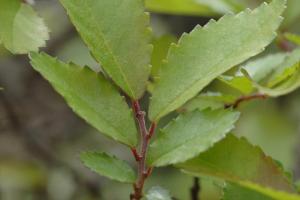
Photo of Elaeagnus angustifolia - Russian Olive
No photo for the moment for Elaeagnus angustifolia - Russian Olive

Please note: You must be the owner of the posted photo and it must not be copyrighted.
Things You Must Knows cannot be held responsible for photos posted in violation of this rule
Common Name:
Foliage color:
SilverSun (From 0 to 5):
Water (From 0 to 5):
Maximum temperature:
Minimum temperature:
Maximum height:
Maximum width:
Russian Olive (Elaeagnus angustifolia) - Description
E. angustifolia is native from Europe to Asia. It bears small, very fragrant, greenish-yellow flowers in early summer, followed by fruit that resembles mini olives. It is very weather tolerant.
Russian Olive (Elaeagnus angustifolia) - Blooming
Insignificant but fragrant flowers are followed by decorative fruit. Evergreen forms bloom in fall.
Russian Olive (Elaeagnus angustifolia) - Growth
Evergreen, deciduous shrubs or small trees. Useful as screening plants, they grown fast when young becoming dense and tough with little upkeep needed. Foliage on evergreen forms distinguished by silvery or brown dots on leaves that reflect sunlight and cause plant to sparkle. Elaeagnus does best in full sun, although evergreens grow well in partial shade. Does not like humidity. Works well in a shrub border or as specimen plants. Evergreens make good hedges.
Russian Olive (Elaeagnus angustifolia) - Planting
Sow seeds in fall in a cold frame. Cold frames are protective structures, located outside for propagating and growing plants. Deciduous species can be propagated with greenwood cuttings in late spring and semi-ripe cuttings in summer. Suckers can also be used, and should be removed in fall. Evergreens can be broadcasted with semi-ripe cuttings (root in summer). Semi-ripe cuttings are cuttings taken from semi-mature wood.
Russian Olive (Elaeagnus angustifolia) - Pest
Dagger nematode. Other problems include canker, dieback, fungal leaf spots, root rot, and rust, all of which occur quite frequently.
Russian Olive (Elaeagnus angustifolia) - Interesting facts
The Oleaster was known as wild olive to the ancient Greeks, as well as being a food source for Native Americans and Eskimos.
Russian Olive (Elaeagnus angustifolia) - Soil and irrigation
Elaeagnus tolerates seashore conditions, heat and wind. Established plants tolerate considerable drought. Regular to little water needed. Elaeagnus does best in well-draining soil that is fertile.