Helianthus tuberosus
Jerusalem Artichoke
Photo of Helianthus tuberosus - Jerusalem Artichoke
No photo for the moment for Helianthus tuberosus - Jerusalem Artichoke

Please note: You must be the owner of the posted photo and it must not be copyrighted.
Things You Must Knows cannot be held responsible for photos posted in violation of this rule
Common Name:
Flower color:
Foliage color:
GreenSun (From 0 to 5):
Water (From 0 to 5):
Maximum temperature:
Minimum temperature:
Jerusalem Artichoke (Helianthus tuberosus) - Description
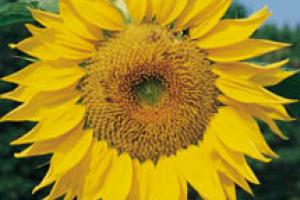
The Jerusalem artichoke (Helianthus tuberosus), also called sunroot, sunchoke, earth apple or topinambour, is a species of sunflower native to eastern North America, and found from eastern Canada and Maine west to North Dakota, and south to northern Florida and Texas. It is also cultivated widely across the temperate zone for its tuber, which is used as a root vegetable.
Jerusalem Artichoke (Helianthus tuberosus) - Blooming
Flowers bloom in the summer, but be aware that many cultivars will not come true from seeds.
Jerusalem Artichoke (Helianthus tuberosus) - Growth
Grow in sunny, open areas. Plant in drifts at the back corners and along fences. You should make sure tall varieties are sheltered from the wind or they may even need staking. They will tolerate heat, but frost will kill them.
Jerusalem Artichoke (Helianthus tuberosus) - Planting
Sow annual sunflowers outdoors after danger of frost has passed. You can also propagate from basal cuttings or from division. Their roots chemically inhibit the growth of some other plants.
Jerusalem Artichoke (Helianthus tuberosus) - Interesting facts
In addition to the edible seeds of sunflowers, there's another member of this genus that is edible. H. tuberosus, called the Jerusalem Artichoke, has an edible potato-like tuber that tastes similar to water chestnuts.
Jerusalem Artichoke (Helianthus tuberosus) - Soil and irrigation
Grow in average to fertile, well-drained neutral to slightly alkaline soil. For best growth, keep moist, as sunflowers are thirsty plants. They can survive drought.