Hydrangea aspera
Hortensia
Photo of Hydrangea aspera - Hortensia
No photo for the moment for Hydrangea aspera - Hortensia

Please note: You must be the owner of the posted photo and it must not be copyrighted.
Things You Must Knows cannot be held responsible for photos posted in violation of this rule
Common Name:
Flower color:
Foliage color:
GreenSun (From 0 to 5):
Water (From 0 to 5):
Maximum temperature:
Minimum temperature:
Hortensia (Hydrangea aspera) - Description
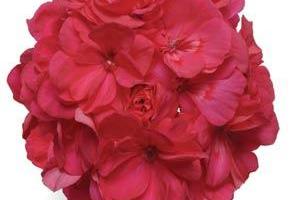
Hydrangea aspera is a species of flowering plant in the family Hydrangaceae, native to the region between the Himalayas, across southern China, to Taiwan. It is a large, erect deciduous shrub growing to 3 m (10 ft)] tall and wide, with broadly oval leaves. The flowers are typically borne in large flat heads in late summer, and are in variable shades of pale blue and pink, fringed by white or pale pink sterile florets.
Hortensia (Hydrangea aspera) - Blooming
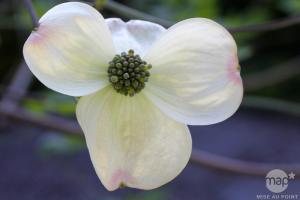
Flowers bloom in the spring, often pink or blue, in clusters called flowerheads. A flowerhead contains small fertile flowers surrounded by 4-petalled sterile florets.
Hortensia (Hydrangea aspera) - Growth
Hydrangeas can grow in a wide range of conditions. Protect them from cold drying winds.
Hortensia (Hydrangea aspera) - Planting
Hydrangea should be planted in the spring, or from tip cuttings in late spring, or from hardwood cuttings in winter. Cultivars will not come true from seeds.
Hortensia (Hydrangea aspera) - Pest
Aphids and slugs can be a potential problem for Hydrangeas. Other issues include powdery mildew, ringspot virus, leaf spots, gray mold, and rust, all of which are quite common.
Hortensia (Hydrangea aspera) - Interesting facts
Hydrangea are endemic to the woodlands of Eastern Asia and North and South America.
Hortensia (Hydrangea aspera) - Soil and irrigation
Hydrangea plants prefer ample moisture, with the pH depending on the cultivar. Species can become chlorotic if grown in alkaline soil.