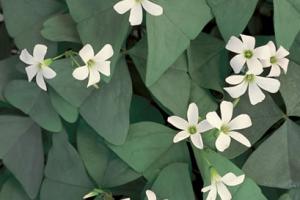
Leptospermum scoparium 'Crimson Glory'
Tea Tree
Photo of Leptospermum scoparium 'Crimson Glory' - Tea Tree
No photo for the moment for Leptospermum scoparium 'Crimson Glory' - Tea Tree

Please note: You must be the owner of the posted photo and it must not be copyrighted.
Things You Must Knows cannot be held responsible for photos posted in violation of this rule
Common Name:
Foliage color:
GreenSun (From 0 to 5):
Water (From 0 to 5):
Maximum temperature:
Minimum temperature:
Maximum height:
Maximum width:
Tea Tree (Leptospermum scoparium 'Crimson Glory') - Description
Leptospermum scoparium, commonly called mānuka, manuka myrtle, New Zealand teatree, broom teatree, or just tea tree, is a species of flowering plant in the myrtle family Myrtaceae, native to New Zealand and southeast Australia.
Tea Tree (Leptospermum scoparium 'Crimson Glory') - Blooming
5-petaled flowers, borne singly or in clusters.
Tea Tree (Leptospermum scoparium 'Crimson Glory') - Growth
Evergreen shrubs and trees. Grows best with full sun or partial shade. Use Tea trees for a shrub border where hardy. Marginally hardy species can be planted against a warm, sunny wall. Frost-tender species should be raised indoors in a cool greenhouse or conservatory.
Tea Tree (Leptospermum scoparium 'Crimson Glory') - Planting
Sow seeds in fall or spring at 55-61ºF (13-16ºC). Also propagate by rooting semi-ripe cuttings in summer using bottom heat.
Tea Tree (Leptospermum scoparium 'Crimson Glory') - Pest
Rarely affected by pests and diseases.
Tea Tree (Leptospermum scoparium 'Crimson Glory') - Interesting facts
There are around 80 known species in the genus Leptospermum. Most species are native to Australia, but some are found in S.E. Asia and New Zealand. The genera is called "Tea tree" because early Australian settlers used to soak the leaves to make herbal tea.The name Leptospermum is derived from Greek lepto- meaning 'thin' and -spermum meaning 'seed'.
Tea Tree (Leptospermum scoparium 'Crimson Glory') - Soil and irrigation
Does best with moderately fertile, well-drained soil. Soil-based potting mix works fine for indoor plants. Water freely while in growth; sparingly in winter.