Leucothoe axillaris
Coastal Dog Hobble
Photo of Leucothoe axillaris - Coastal Dog Hobble
No photo for the moment for Leucothoe axillaris - Coastal Dog Hobble

Please note: You must be the owner of the posted photo and it must not be copyrighted.
Things You Must Knows cannot be held responsible for photos posted in violation of this rule
Common Name:
Plant Type:
Sun (From 0 to 5):
Water (From 0 to 5):
Maximum temperature:
Minimum temperature:
Maximum height:
Maximum width:
Coastal Dog Hobble (Leucothoe axillaris) - Description
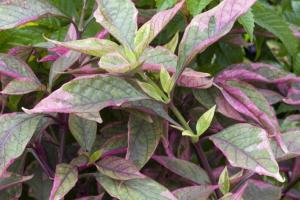
L. axillaris is native to the southeastern United States. It bears leaves that can grow to lengths of 4 inches long, which are bronze when they emerge, but mature to dark green, and turn red in the winter. It also produces drooping 1 to 3 inch flower clusters.
Coastal Dog Hobble (Leucothoe axillaris) - Blooming
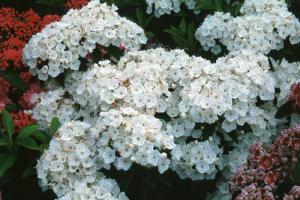
White urn-shaped flowers bloom in racemes.
Coastal Dog Hobble (Leucothoe axillaris) - Growth
Evergreen and deciduous shrubs. Graceful, often arching shapes and sometimes zigzagging branches. Shiny leathery leaves are frequently bronze or purple in spring or fall. Grows best in partial-deep shade.
Coastal Dog Hobble (Leucothoe axillaris) - Planting
Propagate from semi-hardwood or hardwood cuttings treated with hormone powder. Suckering species can be broadcasted by division in spring.
Coastal Dog Hobble (Leucothoe axillaris) - Pest
Lace bugs and scale insects. Other problems include powdery mildew, tar spot, leaf gall, and anthracnose spot.
Coastal Dog Hobble (Leucothoe axillaris) - Interesting facts
Leucothoe is native to Madagascar, the Himalayas, Eastern Asia, and North and South America. Species work well as an addition to a woodland garden, as they are commonly found in woodlands among other sites such as thickets swamps, and streambanks.
Coastal Dog Hobble (Leucothoe axillaris) - Soil and irrigation
Needs rich, acidic, moisture-retentive soil that has been well amended with organic matter. Does not tolerate drought or soggy soil.