Lonicera xylosteum
Fly Honeysuckle
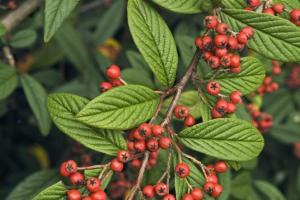
Photo of Lonicera xylosteum - Fly Honeysuckle
No photo for the moment for Lonicera xylosteum - Fly Honeysuckle

Please note: You must be the owner of the posted photo and it must not be copyrighted.
Things You Must Knows cannot be held responsible for photos posted in violation of this rule
Common Name:
Sun (From 0 to 5):
Water (From 0 to 5):
Maximum temperature:
Minimum temperature:
Fly Honeysuckle (Lonicera xylosteum) - Description
Lonicera xylosteum, commonly known as fly honeysuckle, European fly honeysuckle, dwarf honeysuckle or fly woodbine is a deciduous shrub. It is one of two honeysuckles native to Britain, the other being the common honeysuckle (Lonicera periclymenum).
Fly Honeysuckle (Lonicera xylosteum) - Blooming
Most Honeysuckles are known for their dual-clustered, intensely fragrant flowers, which come in a variety of colors, such as creamy white, yellow, orange, and red. Blooms attract hummingbirds. Flowers are followed by red or orange berries.
Fly Honeysuckle (Lonicera xylosteum) - Growth
Honeysuckles are a group of evergreen, semi evergreen and deciduous shrubs and vines. Generally, they need full sun or partial shade in warmer climates.
Fly Honeysuckle (Lonicera xylosteum) - Planting
Propagate Honeysuckles with cuttings. Semi-ripe cuttings for evergreen species in summer, and greenwood cuttings (in summer) or hardwood cuttings (in fall) for deciduous species. Hardy species can be planted through seeds, when ripe, in containers in a cold frame (for protection).
Fly Honeysuckle (Lonicera xylosteum) - Pest
Leaf rollers, aphids, and scale insects. Other problems include powdery mildew, dieback, leaf spots, and blights, all of which are quite common.
Fly Honeysuckle (Lonicera xylosteum) - Interesting facts
Honeysuckles grow in a variety of habitats throughout the Northern Hemisphere. Their berries can cause stomach upset if consumed.
Fly Honeysuckle (Lonicera xylosteum) - Soil and irrigation
Honeysuckles require good drainage. Shrub species grow in any soil. Climbers need fertile, humus-rich soil that is kept moist.