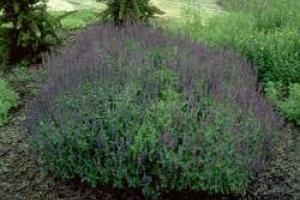
Nandina domestica 'Nana Purpurea'
Dee
Photo of Nandina domestica 'Nana Purpurea' - Dee
No photo for the moment for Nandina domestica 'Nana Purpurea' - Dee

Please note: You must be the owner of the posted photo and it must not be copyrighted.
Things You Must Knows cannot be held responsible for photos posted in violation of this rule
Common Name:
Plant Type:
Flower color:
Foliage color:
Variegated Green PurpleSun (From 0 to 5):
Water (From 0 to 5):
Maximum temperature:
Minimum temperature:
Maximum height:
Maximum width:
Dee (Nandina domestica 'Nana Purpurea') - Description
'Nana Purpurea' bears coarse purplish green foliage in the summer, and purplish rered to bright red in the winter.
Dee (Nandina domestica 'Nana Purpurea') - Blooming
Flowers are pinkish white or cream colored and come in loose inflorescences in late spring and early summer followed by spherical red fruit.
Dee (Nandina domestica 'Nana Purpurea') - Growth
Heavenly Bamboos grow relatively slow to 8 ft. tall and 4 ft. wide. In climates that get very hot, some shade is required for optimal growth. Will lose their leaves at 10F/-12C.
Dee (Nandina domestica 'Nana Purpurea') - Planting
Propagate from seeds. Sow when ripe in containers in a cold frame (for protection). Can also propagate with semi-ripe cuttings in summer.
Dee (Nandina domestica 'Nana Purpurea') - Pest
Nandina is susceptible to root rot, wilt, and leaf spot. Viruses are also a common problem for Nandina, and can cause distortions, reddish coloration, and mosaic.
Dee (Nandina domestica 'Nana Purpurea') - Interesting facts
Nandina is endemic to the mountain valleys of India, China, and Japan. The berriers are poisonous and should not be consumed. Birds are unafflicted by the toxin. Be careful as some species can become invasive.
Dee (Nandina domestica 'Nana Purpurea') - Soil and irrigation
Does best with rich soil that is augmented with organic matter and regular irrigations.