Nerium oleander
Oleander
Photo of Nerium oleander - Oleander
No photo for the moment for Nerium oleander - Oleander

Please note: You must be the owner of the posted photo and it must not be copyrighted.
Things You Must Knows cannot be held responsible for photos posted in violation of this rule
Common Name:
Foliage color:
GreenSun (From 0 to 5):
Water (From 0 to 5):
Maximum temperature:
Minimum temperature:
Maximum height:
Maximum width:
Oleander (Nerium oleander) - Description
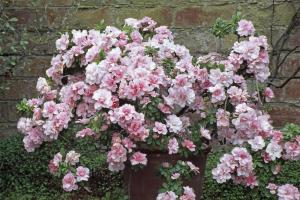
N. oleander is a Mediterranean native. It bears narrow, 4 to 12 inch long, dark green, leathery leaves. It blooms from late spring into fall, producing 2 to 3 inch wide, often fragrant flowers, ranging in colors from white to shades of yellow, pink, salmon, and red.
Oleander (Nerium oleander) - Blooming
Flowers come in many different colors such as white, yellow, pink, salmon and red.
Oleander (Nerium oleander) - Growth
Relatively fast growing evergreen shrub that can be pruned into a tree. Can get as tall as 20 ft. tall and 12 ft. wide. Oleanders do extremely well in areas with high heat summers and mild, wet winters. Nerium grows best in full sun.
Oleander (Nerium oleander) - Planting
Sow from seed in spring. Can also propagate from semi-ripe cuttings in summer.
Oleander (Nerium oleander) - Pest
Oleanders are susceptible to attack from scale, yellow oleander aphid and bacterial galls. More recently Oleanders have suffered from leaf scorch, which is a bacterial disease that is spread via the glassy-winged sharpshooter insect. The symptoms of leaf scorch manifest as leaves turning brown and dropping. The infection can eventually kill the plant. The disease's progress can be slowed by pruning off infected branches. It's important that in between prunings you sterilize your pruning shears. This can be done by dipping them in a 10% bleach solution and then wiping them clean.
Oleander (Nerium oleander) - Interesting facts
All parts of Nerium are extremely toxic and should not be consumed. In addition, the foliage may aggravate sensitive skin types. Do not burn the prunings, but dispose of carefully.
Oleander (Nerium oleander) - Soil and irrigation
Requires well-draining soil that is kept moist and fertile.