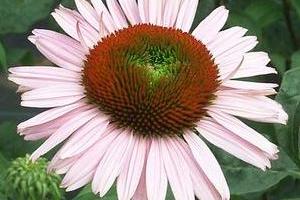
Asclepias tuberosa
Butterfly Weed
Photo of Asclepias tuberosa - Butterfly Weed
No photo for the moment for Asclepias tuberosa - Butterfly Weed

Please note: You must be the owner of the posted photo and it must not be copyrighted.
Things You Must Knows cannot be held responsible for photos posted in violation of this rule
Common Name:
Foliage color:
GreenSun (From 0 to 5):
Water (From 0 to 5):
Maximum temperature:
Minimum temperature:
Maximum height:
Maximum width:
Butterfly Weed (Asclepias tuberosa) - Description
An excellent choice for vividly orange blooms. Try these easy, long blooming natives as cut flowers or for attracting butterflies. Crown-shaped flowers form clusters up to 2" across. In the fall, upright pods crack open, releasing seeds glistening with silky hairs. Perfect in meadows, wildflower gardens and as dried pods in arrangements. Sow outdoors in spring after last frost, or in late summer.
Butterfly Weed (Asclepias tuberosa) - Growth
Does best in full sun. May be slow to start seasonal growth in spring.
Butterfly Weed (Asclepias tuberosa) - Planting
Sow seeds in late winter when temperatures are averaging above 60°F (15°C). Basal cuttings should be made in spring.
Butterfly Weed (Asclepias tuberosa) - Pest
Prone to whiteflies and spider mites in areas of low air circulation. Aphids and mealybugs have a strong affinity for the plants when they are in bloom. Bacterial and fungal leaf spots are an issue in areas of high humidity.
Butterfly Weed (Asclepias tuberosa) - Interesting facts
Milkweeds are so named for their milky sap. The clusters of small, star like flowers attract butterflies. The seedpod-bearing stems of Swan or Goose Plants, when stripped of leaves and dried, can be used to make striking arrangements. Be warned that contact with the milky sap may cause skin irritation.
Butterfly Weed (Asclepias tuberosa) - Soil and irrigation
All Milkweeds need adequate drainage and moderate to heavy watering. Thrives in loamy soils.