Berberis thunbergii 'Atropurpurea Nana'
Japanese Barberry
Photo of Berberis thunbergii 'Atropurpurea Nana' - Japanese Barberry
No photo for the moment for Berberis thunbergii 'Atropurpurea Nana' - Japanese Barberry

Please note: You must be the owner of the posted photo and it must not be copyrighted.
Things You Must Knows cannot be held responsible for photos posted in violation of this rule
Common Name:
Sun (From 0 to 5):
Water (From 0 to 5):
Maximum temperature:
Minimum temperature:
Maximum height:
Maximum width:
Japanese Barberry (Berberis thunbergii 'Atropurpurea Nana') - Description
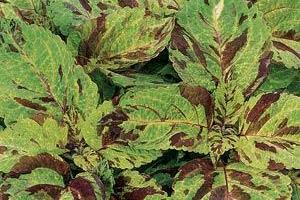
'Atropurpurea' vary in plant size and foliage color, going from bronzy red to purple red.
Japanese Barberry (Berberis thunbergii 'Atropurpurea Nana') - Blooming
Bloom time is dependent on individual species.
Japanese Barberry (Berberis thunbergii 'Atropurpurea Nana') - Growth
Barberries are generally grown as hedges.
Japanese Barberry (Berberis thunbergii 'Atropurpurea Nana') - Planting
Plant seeds in early spring. Take stem cuttings in summer.
Japanese Barberry (Berberis thunbergii 'Atropurpurea Nana') - Interesting facts
Barberries are very hardy plants that can handle climate and soil extremes. Berberis is a very large genus with close to 500 species that are native to temperate and subtropical regions across the globe. The berries are edible and full of vitamin C. Unfortunately, the thorny shoots and sharp flavor make it undesirable for harvest to some. Throughout history, the shoots and roots have been used to produce yellow dye.
Japanese Barberry (Berberis thunbergii 'Atropurpurea Nana') - Soil and irrigation
Very hardy with all soil types.