Erigeron compositus
Dwarf Mountain Fleabane
Photo of Erigeron compositus - Dwarf Mountain Fleabane
No photo for the moment for Erigeron compositus - Dwarf Mountain Fleabane

Please note: You must be the owner of the posted photo and it must not be copyrighted.
Things You Must Knows cannot be held responsible for photos posted in violation of this rule
Common Name:
Plant Type:
Flower color:
Foliage color:
GreenSun (From 0 to 5):
Water (From 0 to 5):
Maximum temperature:
Minimum temperature:
Dwarf Mountain Fleabane (Erigeron compositus) - Description
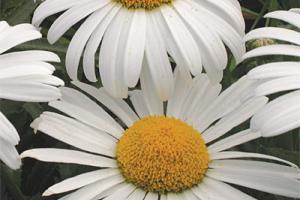
Erigeron compositus, also known as Dwarf Mountain Fleabane, Cutleaf Daisy, and Trifid Mountain Fleabane, is a flowering plant in the genus Erigeron native to western North America to Greenland and eastern Canada.
Dwarf Mountain Fleabane (Erigeron compositus) - Blooming
For continued blooming throughout the summer, cut stems back after flowering.
Dwarf Mountain Fleabane (Erigeron compositus) - Growth
Annuals, biennials, and perennials, mainly found in dry areas. Generally grows best in full sun. In hot areas, the plants will need afternoon shade. Different species grow in a variety of climate ranges. Works well in a mixed or herbaceous border. Also makes a nice addition to a rock garden.
Dwarf Mountain Fleabane (Erigeron compositus) - Planting
Sow seeds in spring in containers in a cold frame. Can also propagate by division or by rooting basal cuttings in spring. Division entails propagating a plant by splitting it into 2 or more parts. Each part has its own root system and more than one shoot or dormant bud.Place plants 18" apart.
Dwarf Mountain Fleabane (Erigeron compositus) - Pest
Problems include bidens mottle virus, powdery mildew, downy mildew, leaf spots, white smut, rust, and Southern blight.
Dwarf Mountain Fleabane (Erigeron compositus) - Interesting facts
Dried fleabane was once thought to be repellant to fleas, but there is no evidence that it actually works.
Dwarf Mountain Fleabane (Erigeron compositus) - Soil and irrigation
Grown best in sandy, well-draining soils that do not dry out during the warmer months. In rainless periods of summer, water weekly.