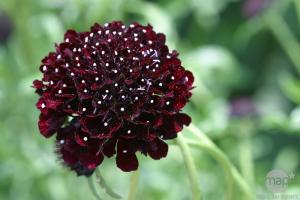
Digitalis lanata
Woolly Foxglove
Photo of Digitalis lanata - Woolly Foxglove
No photo for the moment for Digitalis lanata - Woolly Foxglove

Please note: You must be the owner of the posted photo and it must not be copyrighted.
Things You Must Knows cannot be held responsible for photos posted in violation of this rule
Common Name:
Foliage color:
GreenSun (From 0 to 5):
Water (From 0 to 5):
Maximum temperature:
Minimum temperature:
Maximum height:
Maximum width:
Woolly Foxglove (Digitalis lanata) - Description
Digitalis lanata (often called the Woolly Foxglove or Grecian Foxglove) is a species of foxglove. It gets its name due to the texture of the leaves. Digitalis lanata, like some other foxglove species, is highly toxic in all parts of the plant. Even the ingestion of small amounts by humans can be fatal particularly for children.
Woolly Foxglove (Digitalis lanata) - Blooming
Flowers look like the fingertips of gloves. They come in many colors including purple, yellow, white and various pastels. Remove the first spike of flowers to promote more floral blooms.
Woolly Foxglove (Digitalis lanata) - Growth
Foxgloves grow erect anywhere from 2 to 8 ft. tall. Thrives in full sun in cooler Summer regions, otherwise should be grown in shade gardens to provide some protection to prevent overheating. In the hottest of climates, the plants will die out in late Summer.
Woolly Foxglove (Digitalis lanata) - Planting
Seeds should be sown in the spring. Perennials can also be propagated by division in spring or fall. Division entails propagating a plant by splitting it into 2 or more parts. Each part has its own root system and more than one shoot or dormant bud.
Woolly Foxglove (Digitalis lanata) - Pest
Snails and slugs have an affinity towards Foxgloves. Other problems include anthracnose, fungal leaf spots, and Southern blight.
Woolly Foxglove (Digitalis lanata) - Interesting facts
Digitalis foliage may aggravate the skin upon contact.
Woolly Foxglove (Digitalis lanata) - Soil and irrigation
Thrives in rich and well-drained soil. Species do not do well with extreme soil conditions such as very wet or very dry soil.