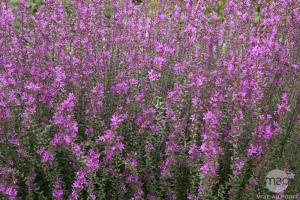
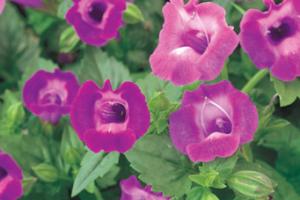
Osteospermum ecklonis 'Serenity Pink'
Dimorphotheca Ecklonis
Photo of Osteospermum ecklonis 'Serenity Pink' - Dimorphotheca Ecklonis
No photo for the moment for Osteospermum ecklonis 'Serenity Pink' - Dimorphotheca Ecklonis

Please note: You must be the owner of the posted photo and it must not be copyrighted.
Things You Must Knows cannot be held responsible for photos posted in violation of this rule
Common Name:
Plant Type:
Flower color:
Foliage color:
GreenSun (From 0 to 5):
Water (From 0 to 5):
Maximum temperature:
Minimum temperature:
Maximum height:
Maximum width:
Dimorphotheca Ecklonis (Osteospermum ecklonis 'Serenity Pink') - Description
A profusion of pink hues carpets the garden with color. Excellent for ground cover, rock gardens, containers, or for erosion control on slopes. Prune lightly after flowering to maintain shape and extend the lifespan of the plant. Drought tolerant.
Dimorphotheca Ecklonis (Osteospermum ecklonis 'Serenity Pink') - Blooming
Blooms daisy-like flowers in a variety of colors such as magenta, pink, white, and yellow. Flowers of most species will only open in sunlight. Prolong flowering by deadheading on a regular basis.
Dimorphotheca Ecklonis (Osteospermum ecklonis 'Serenity Pink') - Growth
African Daisies do best with full sun in a warm site.
Dimorphotheca Ecklonis (Osteospermum ecklonis 'Serenity Pink') - Planting
Some species have rooting stems that can easily be divided for propagation. Can also sow seeds in spring.
Dimorphotheca Ecklonis (Osteospermum ecklonis 'Serenity Pink') - Pest
Aphids. Osteospermum is also susceptible to downy mildew and wilt.
Dimorphotheca Ecklonis (Osteospermum ecklonis 'Serenity Pink') - Interesting facts
The genus name, Osteospermum, is derived from two Greek words which when combined translate to "bone seed". The "bone seed" refers to the hard fruit casing around the seed from the plants.
Dimorphotheca Ecklonis (Osteospermum ecklonis 'Serenity Pink') - Soil and irrigation
Can tolerate drought and neglect, but flourishes with good garden soil and irrigation.