Phalaenopsis grandiflora
Phalaenopsis Amabilis
Photo of Phalaenopsis grandiflora - Phalaenopsis Amabilis
No photo for the moment for Phalaenopsis grandiflora - Phalaenopsis Amabilis

Please note: You must be the owner of the posted photo and it must not be copyrighted.
Things You Must Knows cannot be held responsible for photos posted in violation of this rule
Common Name:
Sun (From 0 to 5):
Water (From 0 to 5):
Maximum temperature:
Minimum temperature:
Phalaenopsis Amabilis (Phalaenopsis grandiflora) - Description
Phalaenopsis amabilis, commonly known as the Moth Orchid
Phalaenopsis Amabilis (Phalaenopsis grandiflora) - Blooming
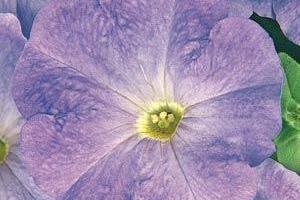
Flowers remain in bloom for several months in a variety of colors, such as white, yellow-green, pink, yellow, and violet. To prolong flowering, cut back flowered stems to a lower node.
Phalaenopsis Amabilis (Phalaenopsis grandiflora) - Growth
Moth Orchids do well near a window but should not be in direct sun unless it is in the early morning or late evening. Will do best in bright, filtered light and high humidity.
Phalaenopsis Amabilis (Phalaenopsis grandiflora) - Planting
Plant in course bark in terracotta or ceramic pots. These orchids are difficult to propagate for the inexperienced gardener. Generally, these plants are not suitable for division.
Phalaenopsis Amabilis (Phalaenopsis grandiflora) - Pest
Phalaenopsis is vulnerable to edema, iron deficiency, bacterial soft rot, petal blight, pseudobulb rots, cymbidium mosaic, and odontoglossum viruses.
Phalaenopsis Amabilis (Phalaenopsis grandiflora) - Interesting facts
Moth Orchids are your prototypical horticultural orchid. For the most part they are epiphytic, which means they grow on top of other plants. They may live in mostly warm and often times moist environments, but because of where they live (on top of other plants) they have to cope with dry conditions. This is why the Moth Orchid has a similar physiology to cacti. They both perform what is called Crassulacean Acid Metabolism, aka CAM. Cacti in general have little access to water because there is little moisture in the soil. These orchids may have little access to water because epiphytic plants do not have their roots anchored in any soil that may retain some of moisture.
Phalaenopsis Amabilis (Phalaenopsis grandiflora) - Soil and irrigation
Water sparingly, no more than twice a week. More water may be required in winter. As outdoor temperatures cool and heaters are turned on to keep the indoors warm, the humidity of the air will drop. The soil will dry out more quickly when the air has dried out from use of a heater.