Prunus spinosa
Blackthorn
Photo of Prunus spinosa - Blackthorn
No photo for the moment for Prunus spinosa - Blackthorn

Please note: You must be the owner of the posted photo and it must not be copyrighted.
Things You Must Knows cannot be held responsible for photos posted in violation of this rule
Common Name:
Sun (From 0 to 5):
Water (From 0 to 5):
Maximum temperature:
Minimum temperature:
Blackthorn (Prunus spinosa) - Description
Prunus spinosa (blackthorn or sloe) is a species of Prunus native to Europe, western Asia, and locally in northwest Africa. It is also locally naturalised in New Zealand and eastern North America.
Blackthorn (Prunus spinosa) - Blooming
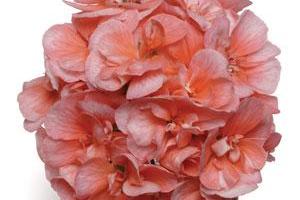
Five petaled (or double) pink or white flowers, often borne in large rounded or elongated clusters followed by ovoid fruits.
Blackthorn (Prunus spinosa) - Growth
Many species of deciduous and evergreen trees and shrubs. Used as ornamental and for fruit. Alternate, pointed, oval leaves.Evergreen species grow best in full sun or partial shade. Deciduous plants enjoy full sun. Plants are often short-lived.Bushy species, like P. laurocerastus and P. lusitanica, work well for screening or as groundcovers. Other species, including P. cerasifera, P. incisa, and P. spinosa make good hedges. Shrubs make nice additions to a shrub border or wall.
Blackthorn (Prunus spinosa) - Planting
Sow seeds outdoors in fall, in containers. Propagate deciduous species from greenwood cuttings in summer. Evergreens can be propagated from semi-ripe cuttings in midsummer.
Blackthorn (Prunus spinosa) - Pest
Leaf hoppers, nematode, scale insects, caterpillars, borers, aphids, and eriophyid mites. Other issues include powdery mildew, leaf curl, lesions, fireblight, mushroom root rot, canker, crown gall, and mosaic and ringspot viruses.
Blackthorn (Prunus spinosa) - Interesting facts
P. americana, P. maritima, and P. tomentosa produce fruits that are the most consumed. Some species' leaves and fruits are poisonous to humans and can cause serious stomach pain when ingested.
Blackthorn (Prunus spinosa) - Soil and irrigation
Adaptable to moist soils as long as they are well-drained. P. laurocerastus can become chlorotic in shallow, alkilinated soils.