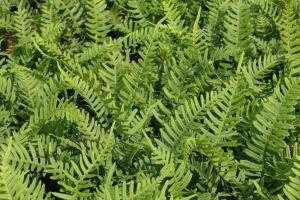
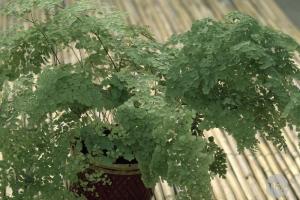
Pteris cretica 'Albolineata'
Cretan Brake
Photo of Pteris cretica 'Albolineata' - Cretan Brake
No photo for the moment for Pteris cretica 'Albolineata' - Cretan Brake

Please note: You must be the owner of the posted photo and it must not be copyrighted.
Things You Must Knows cannot be held responsible for photos posted in violation of this rule
Common Name:
Plant Type:
Foliage color:
Green White VariegatedSun (From 0 to 5):
Water (From 0 to 5):
Maximum temperature:
Minimum temperature:
Maximum height:
Maximum width:
Cretan Brake (Pteris cretica 'Albolineata') - Description
Pteris cretica 'Albolineata' is known for the wide, white band found down the middle of the leaves. 'Albolineata' is easier to cultivate than other Cretan Brakes. Great houseplant!
Cretan Brake (Pteris cretica 'Albolineata') - Growth
Grows best in partial or deep shade, with protection from strong winds. Where Table Ferns are not growing hardy, raise plants indoors as houseplants or in a temperate greenhouse. Temperate greenhouses have daytime temperatures set between 50-55°F (10-13°C), and a nighttime temperature of 45°F (7°C).Where hardy, in warmer areas, Pteris works great as a specimen plant or in mixed foliage plantings.
Cretan Brake (Pteris cretica 'Albolineata') - Planting
When ripe, sow spores at 70°F (21°C). Conduct division in spring using the creeping, branched rhizomes.
Cretan Brake (Pteris cretica 'Albolineata') - Pest
Prone to damage by scale insects, mealybugs, rust, and leaf spots.
Cretan Brake (Pteris cretica 'Albolineata') - Interesting facts
There are around 280 known species in the genus Pteris, native to tropical and subtropical forests around the globe.A recent discovery has shown that P. vittata has the ability to hyperaccumulate arsenic from soil. This quality has sparked the possibility of using P. vittata as a bioremediation plant.
Cretan Brake (Pteris cretica 'Albolineata') - Soil and irrigation
Does best in soil types that are moist, well-draining with added leaf mold. P. cretica and P. vittata prefer slightly alkaline soil. For indoor plants, potting mixes with 1 part each sharp sand, coarse leaf mold, and charcoal, and 2 parts soil-based potting mix work the best. Add some limestone chips to mixes prepared for those species that prefer alkaline soil.Water liberally during the growing season, less in winter.