Pyrus kawakamii
Evergreen Pear
Photo of Pyrus kawakamii - Evergreen Pear
No photo for the moment for Pyrus kawakamii - Evergreen Pear

Please note: You must be the owner of the posted photo and it must not be copyrighted.
Things You Must Knows cannot be held responsible for photos posted in violation of this rule
Common Name:
Flower color:
Foliage color:
GreenSun (From 0 to 5):
Water (From 0 to 5):
Maximum temperature:
Minimum temperature:
Maximum height:
Maximum width:
Evergreen Pear (Pyrus kawakamii) - Description
Pyrus calleryana, the Callery pear, is a species of pear native to China and Vietnam, in the family Rosaceae. It is a deciduous tree growing to 15 to 20 m (49 to 66 ft) tall, often with a conic to rounded crown. The leaves are oval, 4 to 7 cm (1. 6 to 2.
Evergreen Pear (Pyrus kawakamii) - Blooming
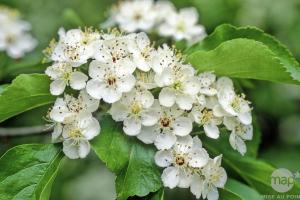
Small clusters of white flowers in spring.
Evergreen Pear (Pyrus kawakamii) - Growth
Trees. Usually fruit is small, seedy, and inconspicuous, but some produce edible pears. Leaves are glossy oval, branches are sometimes thorny. Pyrus grows best in full sun. Works best as a specimen tree in a lawn or side of a street. Smaller plants are nice for a small garden or espaliered on a wall or fence.
Evergreen Pear (Pyrus kawakamii) - Planting
Sow seeds in autumn but provide winter, cold protection. Root buds in summer. Graft in winter. Train young plants to a central leader.
Evergreen Pear (Pyrus kawakamii) - Pest
Prone to leaf roller, blister mites, caterpillars, aphids, scale, powdery mildew, and fire blight.
Evergreen Pear (Pyrus kawakamii) - Interesting facts
Pears are in the Rose family which also includes apples and quinces. The "grittiness" to the pear fruit comes from lignified cells called sclerids. (When a cell becomes lignified, it becomes very hard). These sclerids are thought to provide some additional support to the surrounding cells of the fruit, but this idea has little scientific backing to it.
Evergreen Pear (Pyrus kawakamii) - Soil and irrigation
Almost any well-drained soil. Best with even moisture, but tolerates drought and intermittently wet soil. Pears are very adaptable to different types of soil.