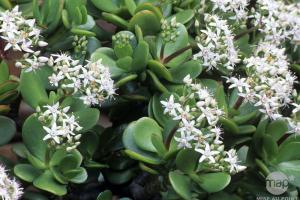
Triteleia ixioides
Prettyface
Photo of Triteleia ixioides - Prettyface
No photo for the moment for Triteleia ixioides - Prettyface

Please note: You must be the owner of the posted photo and it must not be copyrighted.
Things You Must Knows cannot be held responsible for photos posted in violation of this rule
Common Name:
Sun (From 0 to 5):
Water (From 0 to 5):
Maximum temperature:
Minimum temperature:
Prettyface (Triteleia ixioides) - Description
Triteleia ixioides, known as Prettyface, is a monocotyledon flowering plant in the genus Triteleia. It is native to northern and central California and southwestern Oregon, where it can be found in coastal and inland coniferous forests and other habitat. It is a perennial wildflower growing from a corm. It produces one to two basal leaves up to 50 centimeters long by 1.
Prettyface (Triteleia ixioides) - Blooming
Blooms funnel-shaped flowers in umbels on leafless stems.
Prettyface (Triteleia ixioides) - Growth
Cormous perennials. Height varies depending on variety. One species will grow to approx. 3 ft. tall. Grows best in full sun. Basal leaves die away before flowering occurs. Triteleia works well in a warm, sunny, mixed or herbaceous border. Less hardy plants (those planted in sites with extreme winters), should be grown in a cold greenhouse or alpine house.
Prettyface (Triteleia ixioides) - Planting
Propagate from the seed when ripe or in early spring, at 55-61°F (13-16°C). Plants grown from seeds take about 3-5 years to mature. Separate corms when dormant
Prettyface (Triteleia ixioides) - Pest
Prone to rust.
Prettyface (Triteleia ixioides) - Interesting facts
Triteleia is related to the genus Brodiaea. Native to the grasslands, chaparrals, and pine woodlands of the Western United States. Everything about this flowers comes in threes or multiples of three, lending it the name "Triteleia".
Prettyface (Triteleia ixioides) - Soil and irrigation
After planting, water less until leaves appear. During the growing season, water liberally. Reduce water again, gradually, after flowering. Keep dormant plants dry and warm. Once established, plant requires no irrigation. Does best in light, sandy, rich soil.