Polemonium pulcherrimum 'Blue Master'
Jacob's Ladder
Photo of Polemonium pulcherrimum 'Blue Master' - Jacob's Ladder
No photo for the moment for Polemonium pulcherrimum 'Blue Master' - Jacob's Ladder

Please note: You must be the owner of the posted photo and it must not be copyrighted.
Things You Must Knows cannot be held responsible for photos posted in violation of this rule
Common Name:
Plant Type:
Foliage color:
GreenSun (From 0 to 5):
Water (From 0 to 5):
Maximum temperature:
Minimum temperature:
Maximum height:
Maximum width:
Jacob's Ladder (Polemonium pulcherrimum 'Blue Master') - Description
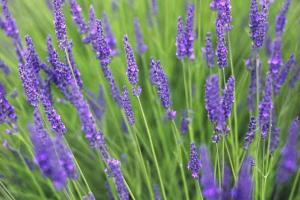
A handsome plant with fern-like leaves that grow upwards like a ladder. Small violet-blue flowers 1" across in clusters. A variety that blooms first year, if started early. Shelter from hot, humid conditions, and keep well-drained.
Jacob's Ladder (Polemonium pulcherrimum 'Blue Master') - Growth
Grow in full sun or partial shade. Taller species work well in a border or woodland garden. The smaller alpine species make nice additions to a rock garden, scree bed, or alpine house. P. brandegeei and P. pauciflorum are often short lived species.
Jacob's Ladder (Polemonium pulcherrimum 'Blue Master') - Planting
Divide in spring, or grow from seed in spring or fall in containers in a cold frame (for protection and to ensure hardiness).
Jacob's Ladder (Polemonium pulcherrimum 'Blue Master') - Pest
The only real problem is powdery mildew.
Jacob's Ladder (Polemonium pulcherrimum 'Blue Master') - Interesting facts
Polemonium is endemic to the alpine regions of Europe, Asia, North America, and Central America. Species are often found near streams or in damp meadows, woodlands, scrubs. Some grow in high altitude mountains.
Jacob's Ladder (Polemonium pulcherrimum 'Blue Master') - Soil and irrigation
Tall varieties prefer moist, well-drained soil. Smaller species need sharply drained, gritty soil.