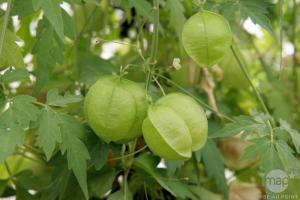
Halesia carolina
Silverbell
Photo of Halesia carolina - Silverbell
No photo for the moment for Halesia carolina - Silverbell

Please note: You must be the owner of the posted photo and it must not be copyrighted.
Things You Must Knows cannot be held responsible for photos posted in violation of this rule
Common Name:
Flower color:
Foliage color:
GreenSun (From 0 to 5):
Water (From 0 to 5):
Maximum temperature:
Minimum temperature:
Silverbell (Halesia carolina) - Description
Halesia carolina, commonly called little silverbells, is a species of flowering plant in the family Styracaceae, native to southeastern USA. It is a vigorous, fast-growing deciduous shrub or tree growing to 8 m (26 ft) tall by 10 m (33 ft) broad, bearing masses of pendent, bell-shaped white flowers which appear in spring before the leaves.
Silverbell (Halesia carolina) - Blooming
As mentioned above, hot summers will encourage a more abundant blooming, and placing the shrub in breezy location shows off the mass display of flowers. The following fruits can continue the shrubs display through the winter in some cases.
Silverbell (Halesia carolina) - Growth
Silverbell prefer partial shade to full sun and a moist environment. Shelter from strong winds, although a mild breeze brings out the best in its display of flowers. A cool climate with hot summers is best for flowers.
Silverbell (Halesia carolina) - Planting
Propagate from summer cuttings. If growing from seed, soak in water for 24 hours. Then use stratification, 3 months warm followed by 3 months cold. Sow the seeds 1-2" inches deep, and mulch the seed bed. Or use natural fall sowing, and seeds will germinate in the spring.
Silverbell (Halesia carolina) - Pest
Scale insects. Other problems include root rot and wood rot.
Silverbell (Halesia carolina) - Interesting facts
Halesia is endemic to Eastern China and the South Eastern United States.
Silverbell (Halesia carolina) - Soil and irrigation
Silverbells like well-drained, acid soil. Provide plentiful moisture as they are sensitive to drought.